

 Español
Content
- 1 What Is a Vertical Tea Granule Making Drying Granulator Machine?
- 2 Understanding Wet Granulation: Process, Equipment, and Limitations
- 3 Understanding Dry Granulation: Process and Mechanism
- 4 Head-to-Head Comparison: Wet Granulation vs Dry Granulation for Tea
- 5 The Specific Advantages of Dry Granulation for Tea Granule Production
- 6 How the Vertical Design Enhances Dry Granulation Performance
- 7 Selecting the Right Machine Configuration for Your Tea Granule Needs
What Is a Vertical Tea Granule Making Drying Granulator Machine?
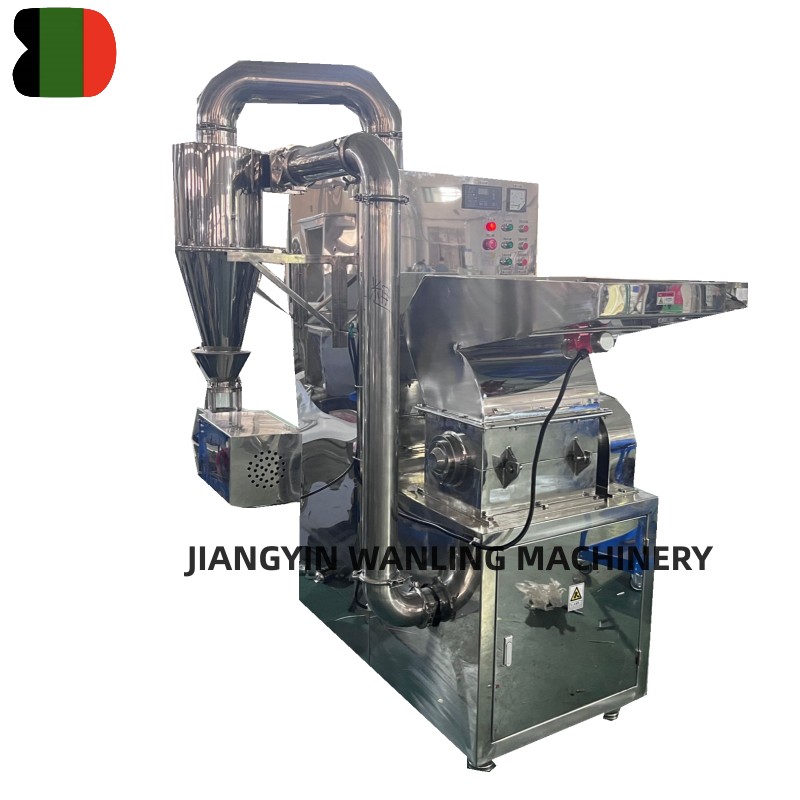
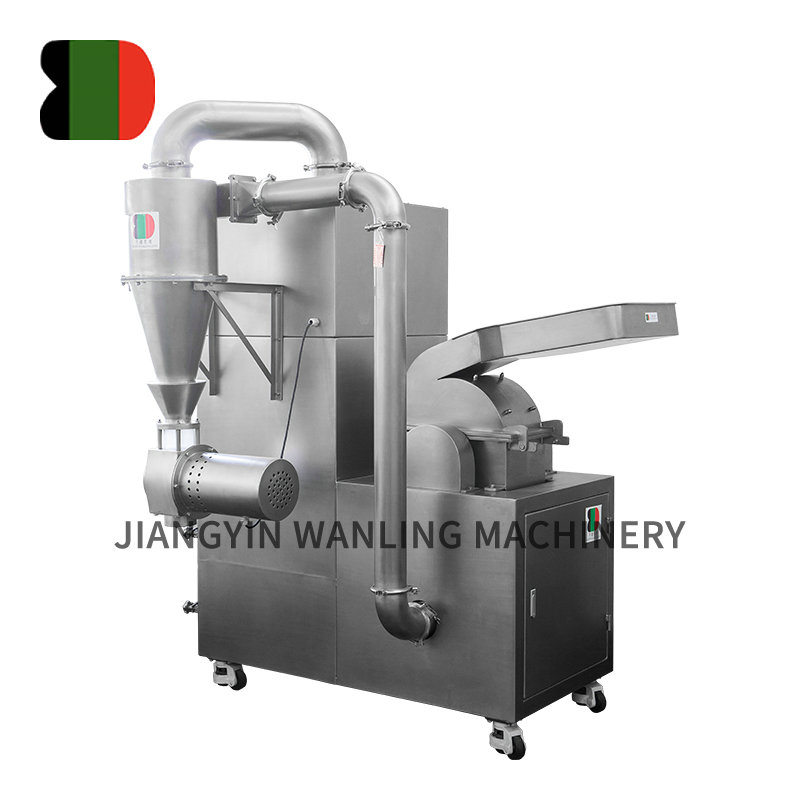
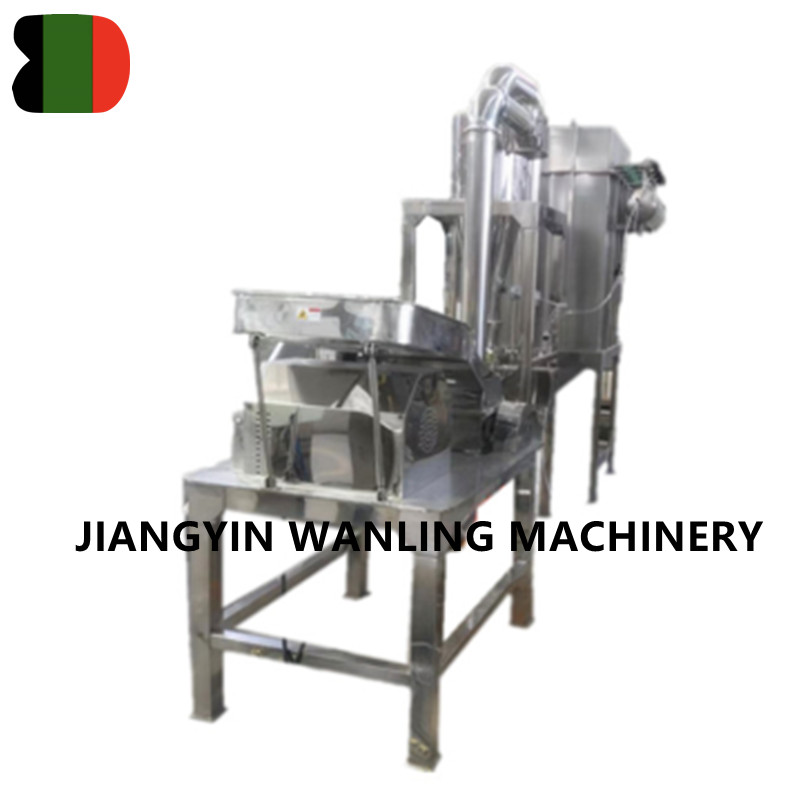
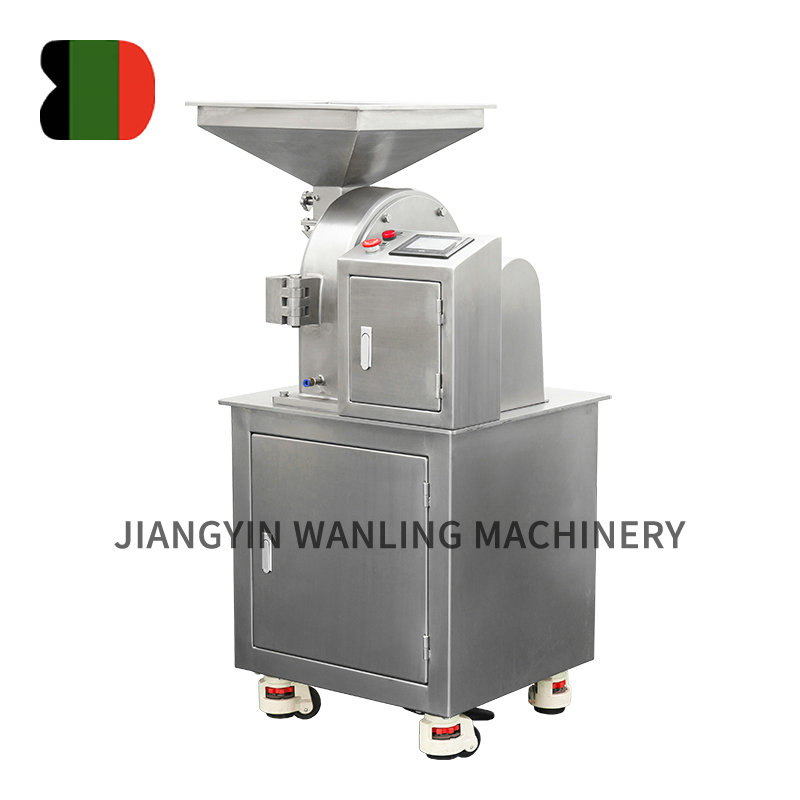
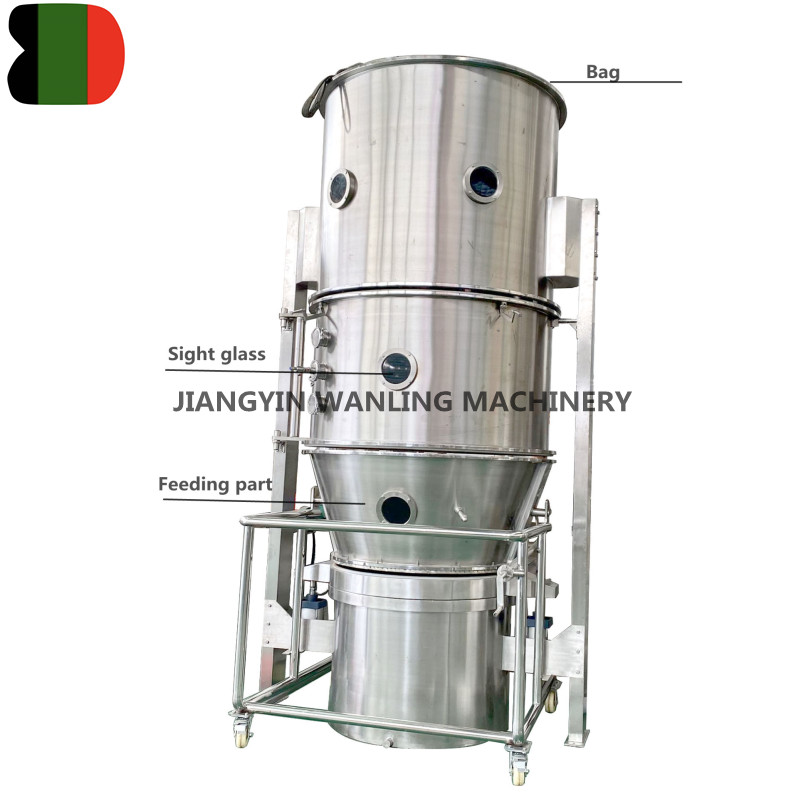
A vertical tea granule making drying granulator machine is a specialized piece of processing equipment designed to convert tea powder, tea extract concentrate, or blended tea formulations into uniform, free-flowing granules that dissolve rapidly in hot or cold water. The vertical configuration refers to the orientation of the processing chamber — powder or extract material is fed from the top, processed through integrated granulation and drying zones arranged along a vertical axis, and discharged as finished granules from the bottom. This layout leverages gravity to assist material flow through each processing stage, reducing mechanical conveyance complexity and minimizing product retention time within the machine.
The machine integrates multiple functions within a single compact unit: it can receive liquid tea extract or dry tea powder as input, form granules through either mechanical compaction or binder-assisted agglomeration, and simultaneously or sequentially dry the granules to a target moisture content suitable for packaging. This integration is particularly valuable for tea processing facilities where floor space is limited and minimizing the number of transfer steps between processing stages is essential for maintaining product hygiene and reducing flavor degradation from extended exposure to ambient air.
Understanding Wet Granulation: Process, Equipment, and Limitations
Wet granulation is the older and more widely understood of the two primary granulation approaches. In wet granulation, dry tea powder is blended with a liquid binder — typically water, an aqueous sugar solution, or a starch-based binding agent — to create a moist, cohesive mass. This wet mass is then forced through a granulating screen or extruder to form individual granule particles, which are subsequently dried in a fluidized bed dryer, tray dryer, or rotary drum dryer to remove the added moisture and achieve final product stability.
How the Wet Granulation Process Works
The wet granulation sequence for tea products typically begins with dry mixing of tea powder components in a high-shear mixer or planetary mixer. Once a homogeneous powder blend is achieved, the liquid binder is sprayed or poured into the mixing chamber while the agitator continues running, causing the powder particles to adhere to one another and form larger, moist agglomerates. The impeller speed, binder addition rate, and total liquid quantity must be carefully controlled because over-wetting produces a dense, sticky mass that is difficult to granulate, while under-wetting produces fragile granules that crumble during drying and handling.
After the wet massing stage, the material passes through a wet granulator — either an oscillating granulator with a mesh screen or a basket extruder — to break the wet mass into granule-sized pieces. These wet granules are then loaded into a drying system, where heated air removes moisture until the product reaches a final moisture content typically between 2% and 5% for tea granule applications. The dried granules may then pass through a dry sizing step to break up any agglomerates that formed during drying before final packaging.
Key Limitations of Wet Granulation for Tea Products
Despite its widespread use, wet granulation presents several significant challenges when applied to tea and botanical extract products. The addition of liquid binders and subsequent high-temperature drying exposes heat-sensitive tea polyphenols, catechins, and volatile aromatic compounds to conditions that accelerate oxidation and thermal degradation. Studies in tea processing have documented losses of 15 to 30 percent of total catechin content during conventional wet granulation and tray drying sequences, directly reducing the functional value and flavor quality of the finished granule product.
The multi-stage nature of wet granulation also increases processing time, energy consumption, labor requirements, and the number of contact surfaces that must be cleaned and sanitized between production runs. Each transfer step — from wet mixer to granulator to dryer to sizer — introduces contamination risk and product loss through material adherence to equipment surfaces. For small and medium tea processing operations, these operational complexities represent a significant barrier to efficient granule production.
Understanding Dry Granulation: Process and Mechanism
Dry granulation forms granules from powder materials without the addition of any liquid binder or subsequent drying step. Instead, the powder is compacted under high mechanical pressure to create dense intermediate forms — either flat ribbons produced by a roller compactor or compressed slugs produced by a tablet press — which are then milled and sized into granules of the target particle size distribution. Because no moisture is added at any stage, the process is inherently suited to materials that are sensitive to water, heat, or both.
Roller Compaction: The Primary Dry Granulation Technology
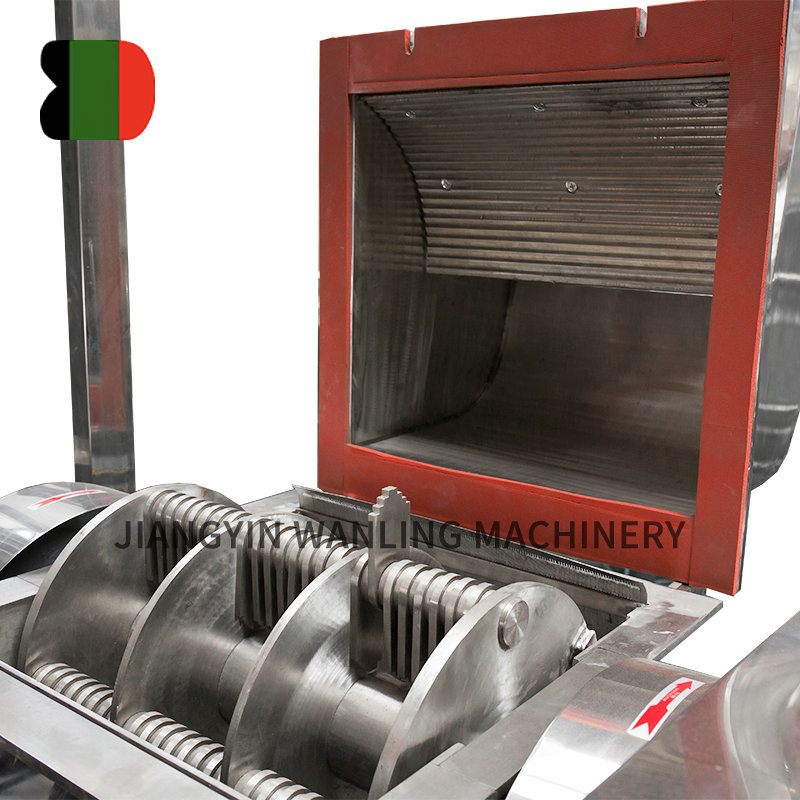
In roller compaction dry granulation, tea powder is fed by a screw conveyor between two counter-rotating rollers that compress the material under pressures typically ranging from 5 to 50 kilonewtons per centimeter of roller width. The compressed material exits as a continuous flat ribbon or in the form of briquettes, depending on the roller surface geometry. This compact intermediate is then fed into a milling unit — typically a rotating blade mill or oscillating granulator — where it is broken down into granules. The resulting granules are sieved to separate the desired particle size fraction, with oversized granules recycled back to the mill and fines recycled to the roller compactor feed for reprocessing.
The compaction pressure, roller speed, feed screw speed, and milling parameters all directly influence the density, hardness, and particle size distribution of the finished granules. Higher compaction pressures produce harder, denser granules with better flow and lower dust generation but may reduce dissolution rate if the granule interior becomes too tightly packed. Finding the optimal compaction pressure for each tea formulation requires systematic parameter development, but once established, these parameters can be stored and reproduced consistently across production batches.
Head-to-Head Comparison: Wet Granulation vs Dry Granulation for Tea
The table below provides a direct comparison of wet and dry granulation across the dimensions most relevant to tea granule manufacturing decision-making.
| Comparison Factor | Wet Granulation | Dry Granulation |
| Liquid binder required | Yes | No |
| Drying step required | Yes (mandatory) | No (or minimal) |
| Heat-sensitive compound retention | Moderate to poor | Excellent |
| Number of processing stages | 5–7 stages | 2–3 stages |
| Energy consumption | High (drying energy) | Low to moderate |
| Moisture-sensitive formulations | Not suitable | Fully suitable |
| Cleaning and changeover time | Long (multiple units) | Short (fewer units) |
| Granule uniformity | Good | Very good (controlled compaction) |
The Specific Advantages of Dry Granulation for Tea Granule Production
Dry granulation offers a set of advantages that are particularly well matched to the requirements of tea granule manufacturing, making it the preferred approach for an increasing number of tea processors worldwide when implemented through a vertical drying granulator machine platform.
Superior Preservation of Bioactive Compounds
Tea's most valuable functional ingredients — epigallocatechin gallate (EGCG), theaflavins, thearubigins, and volatile aromatic esters — are vulnerable to both moisture-induced hydrolysis and thermal oxidation. Dry granulation eliminates both degradation pathways simultaneously by processing the material entirely in the solid, low-moisture state without any heating above ambient temperature. Independent laboratory analyses of green tea extract granules produced by dry compaction versus wet granulation have documented EGCG retention rates 20 to 35 percentage points higher in dry granulated samples, representing a direct improvement in product health value that can be communicated to end consumers as a quality differentiator.
Elimination of Binder-Related Formulation Complications
In wet granulation, the choice and concentration of liquid binder significantly affects finished granule hardness, dissolution rate, and flavor profile. Starch binders can impart a starchy aftertaste that conflicts with delicate tea flavors, while sugar-based binders add calories and limit the product's appeal to health-conscious consumers. Dry granulation requires no binder whatsoever — the granule is held together entirely by the interparticle bonding forces generated during compaction — keeping the formulation clean and the ingredient label short, which is increasingly valued in premium and functional tea product categories.
Reduced Production Cost and Faster Throughput
The elimination of the drying stage removes what is typically the most energy-intensive and time-consuming step in wet granulation. Industrial fluidized bed dryers for tea granule production consume between 150 and 400 kilowatt-hours per ton of product dried, depending on inlet moisture content and drying air temperature. Dry granulation completely eliminates this energy expenditure. Additionally, the reduced number of processing stages means a batch that requires four to six hours from wet mixing through final dried granule discharge in a wet granulation process can be completed in under two hours using dry granulation — a throughput improvement that directly reduces per-unit production cost and increases daily production capacity without capital investment in additional equipment.
How the Vertical Design Enhances Dry Granulation Performance
The vertical orientation of the tea granule making drying granulator machine provides specific engineering advantages that enhance the dry granulation process beyond what a horizontal equipment layout achieves. Gravity assists consistent powder feeding into the compaction zone, reducing the bridging and segregation problems that occur in horizontal feed systems when processing tea powders with low bulk density or high static charge — characteristics common in fine green tea and matcha-type powders.
- Compact Footprint: The vertical layout stacks processing zones — feeding, compaction, milling, and sizing — along a single vertical axis, reducing the machine's floor footprint by 40 to 60 percent compared to equivalent horizontal equipment trains, which is critical for tea factories with limited processing floor space.
- Gravity-Assisted Flow: Material moves downward through each successive processing stage by gravity rather than requiring horizontal conveyors or pneumatic transfer, reducing mechanical complexity, cleaning burden, and the risk of product cross-contamination between batches.
- Integrated Dust Control: The enclosed vertical chamber contains fine tea powder dust within the processing environment, which is then captured by integrated dust collection at the base of the machine rather than escaping into the production room — protecting both product quality and operator respiratory health.
- Hygienic Design Compliance: Vertical machines with smooth interior surfaces and minimal horizontal ledges are inherently easier to clean to food-grade and GMP standards, with complete interior access achievable through top-mounted access panels and bottom discharge ports without disassembling the machine frame.
- Continuous Processing Capability: Many vertical tea granule making machines support continuous rather than batch processing, with powder fed from the top continuously while finished granules discharge from the bottom at a steady rate, enabling higher sustained throughput and more consistent granule properties than batch-mode equipment.
Selecting the Right Machine Configuration for Your Tea Granule Needs
When evaluating vertical tea granule making drying granulator machines for a specific production application, processors should assess several practical factors beyond basic throughput capacity. The target granule particle size range — typically 0.2 mm to 2.0 mm for instant tea applications — determines the required roller compaction pressure range and milling screen mesh size, both of which should be confirmed against the machine supplier's specification data for your specific tea powder bulk density and particle size distribution.
Material contact surfaces should be manufactured from 316L stainless steel as a minimum standard for tea processing to prevent metallic contamination and withstand the cleaning agents used in food-grade sanitation protocols. Machines intended for organic tea product lines should be validated for cleaning chemical compatibility and must provide full traceability documentation for all product-contact materials. Finally, evaluate the availability of spare parts — particularly compaction rollers, milling screens, and seals — and the supplier's technical support response time, as unplanned downtime on a granulation machine during peak production periods can disrupt downstream packaging schedules and delay customer deliveries significantly.