

 Español
A maintenance technician opens the access door of a hammer mill at the end of a shift. A thin layer of spice dust covers the interior surfaces. Elsewhere in the building, an ungrounded conveyor frame slowly accumulates static charge, and a bearing on the packaging line runs hotter than it should. None of these conditions alone is alarming. Combined the wrong way, they are the ingredients of a dust explosion.
The key point is direct: dust explosions are destructive and preventable. They can occur wherever fine combustible powder is ground, dried, mixed, or conveyed. The conditions are precisely defined, the risk can be measured, and the protective measures are well established.
Content
What Is a Dust Explosion?
A dust explosion is the rapid combustion of fine solid particles suspended in air inside an enclosed space. The suspended particles are the fuel. When a dust cloud is ignited, the flame front travels through the particles so quickly that the hot combustion gases expand faster than the enclosure can relieve the pressure. The result is a sudden pressure rise capable of rupturing vessels, ductwork, and building structures.
Two related terms sharpen the definition. A flash fire is the same combustion without significant confinement; it produces heat and flame but no destructive overpressure. A deflagration is the combustion wave moving through the dust cloud at subsonic speed. When it occurs inside a vessel or room, the pressure buildup creates the damaging event called a dust explosion. Protection means containing or relieving that pressure before failure.
The Dust Explosion Pentagon
Fire requires three elements: fuel, oxygen, and an ignition source. A dust explosion requires two more: dispersion and confinement. Together, these five conditions form the dust explosion pentagon. Remove any single condition, and an explosion cannot occur.
| Condition | What it means in practice | Typical control |
|---|---|---|
| Combustible dust | Fine solid particles that can burn; most organic and metal powders qualify | Characterize the dust first |
| Oxygen (oxidant) | Air supplies the oxygen for combustion | Inerting with nitrogen in high-risk processes |
| Ignition source | Static discharge, friction, hot surfaces, or smoldering material | Bonding, grounding, spark detection |
| Dispersion | Dust must be suspended in a cloud above the minimum explosive concentration | Enclose equipment; use local exhaust ventilation |
| Confinement | The cloud must be inside an enclosure where pressure builds | Explosion venting, suppression, isolation |
Because the fuel is the product itself and oxygen cannot be eliminated, operators focus on the remaining levers: ignition control, dispersion prevention, and consequence management. These levers translate into equipment choices, housekeeping, and protective devices.
Primary and Secondary Explosions
Many serious incidents involve two events. The primary explosion starts in a small dust cloud, often inside a mill, dryer, dust collector, or duct. If the equipment is protected, the primary event stays contained. But even a modest pressure wave can lift settled dust from floors, beams, and equipment tops, forming a much larger cloud that the flame front ignites. The resulting secondary explosion causes the catastrophic damage.
This pattern explains why small initial blasts are followed by far worse destruction, and why housekeeping is a genuine safety measure. Even a settled dust layer a fraction of a millimeter thick, when lofted across a room, can form an explosible cloud with enough fuel to destroy a building.
Which Materials and Industries Are at Risk?
Nearly any finely divided combustible solid can explode. The list includes agricultural materials such as flour, sugar, starch, cocoa, and spice powders; pharmaceutical active ingredients and excipients; chemical powders including pigments, resins, and fine organic intermediates; plastic powders; and metal dusts such as aluminum and magnesium.
The common factor is particle size. Fine powders have a large surface area relative to mass, so they ignite more easily and burn faster than coarse material. Any process that creates fine particles, such as grinding, milling, sifting, or pneumatic conveying, is generating the fuel for a dust explosion. This is why milling and grinding are the first areas to inspect.
Food production operations are among the most exposed, because flour, sugar, and spice dust is generated at almost every stage from receiving to packing. Pharmaceutical plants face the same hazard when active ingredients are milled into fine powders, and chemical facilities add the complication of dusts that may also be toxic or corrosive.
Key Dust Explosion Parameters
Dust explosion risk is not a matter of guesswork. Standardized test methods measure the explosibility of a specific dust, and the results drive the engineering decisions that keep a plant safe.
| Parameter | Unit | What it tells you |
|---|---|---|
| MIE (Minimum Ignition Energy) | mJ | How easily a static or friction spark can ignite the dust cloud |
| MEC (Minimum Explosive Concentration) | g/m³ | The lowest dust concentration that will support an explosion |
| KSt (Deflagration Index) | bar·m/s | How fast the explosion pressure rises; defines severity |
| Pmax (Maximum Explosion Pressure) | bar | The highest pressure the explosion can generate in a closed vessel |
Based on KSt values, powders fall into explosion classes: St1 up to 200 bar·m/s, St2 from 200 to 300, St3 above 300. Higher classes need stronger venting, faster suppression, and more robust isolation. When buying processing equipment, ask the supplier for the design basis: the KSt class, vent area, and isolation points determine how the machine can be integrated safely.
Prevention and Mitigation
Prevention stops the explosion from happening. Mitigation reduces the damage when it does happen. A complete safety program needs both.
Prevention
- Control housekeeping. Remove settled dust before it becomes secondary explosion fuel. Use industrial vacuums, not compressed air.
- Eliminate ignition sources. Bond and ground equipment, use correctly rated electrical components, and monitor bearings and drives for overheating.
- Reduce dispersion. Enclose powder transfer points, use local exhaust ventilation, and keep dust below the minimum explosive concentration.
- Consider inerting. In high-risk processes, nitrogen can hold oxygen below the limiting oxygen concentration.
Mitigation
- Explosion venting. Vent panels on vessels, dryers, filters, and silos open at a set pressure and direct flame outside.
- Explosion suppression. Pressure or optical detectors inject suppressant within milliseconds of ignition.
- Explosion isolation. Rotary valves and screw conveyors stop flame from traveling through connected ducting.
A frequently overlooked component is the dust collection system. A bag filter or cyclone concentrates dust and is a likely location for a primary explosion. It must be included in the hazard assessment and protected like the process equipment itself.
Choosing Processing Equipment with Dust Safety in Mind
For engineers and procurement teams, the dust explosion question belongs in the equipment specification. Before selecting a grinder, dryer, mixer, or conveyor, know the material's KSt class and minimum ignition energy, and confirm the equipment can be fitted with the required protection. A machine that cannot accept venting or suppression is a liability regardless of throughput.
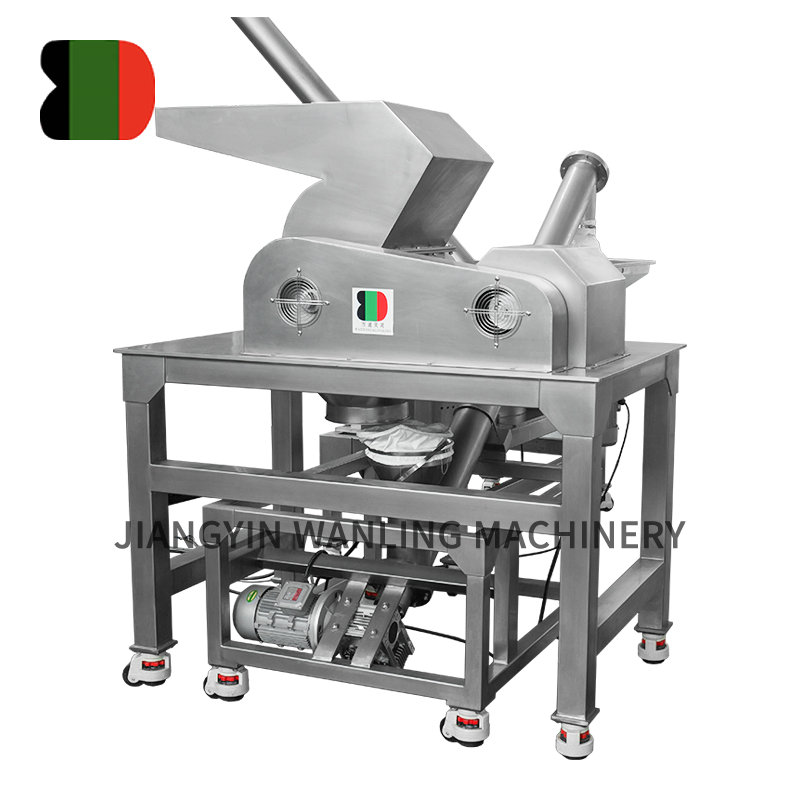
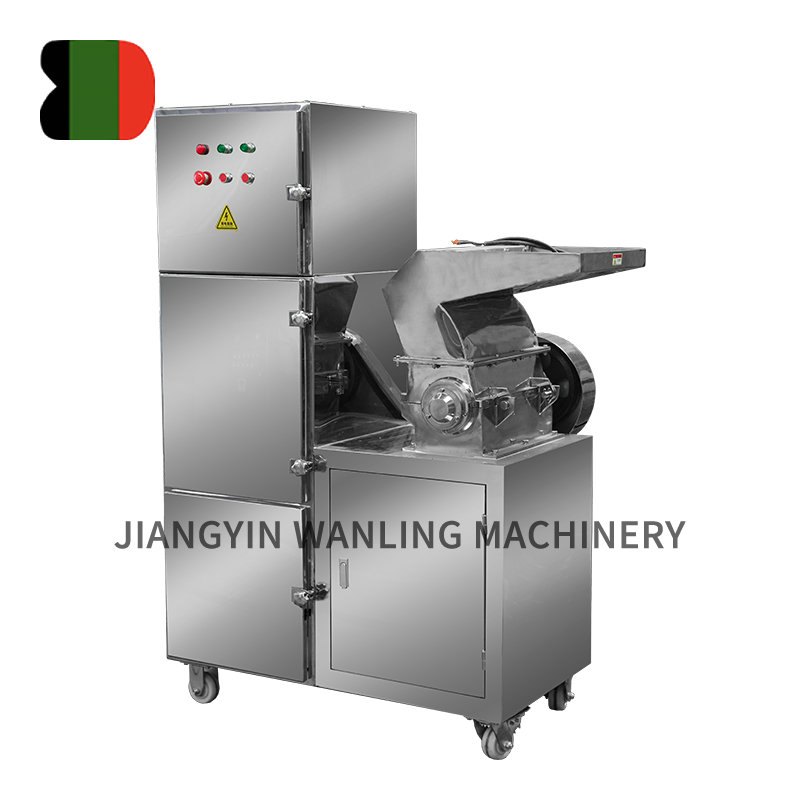
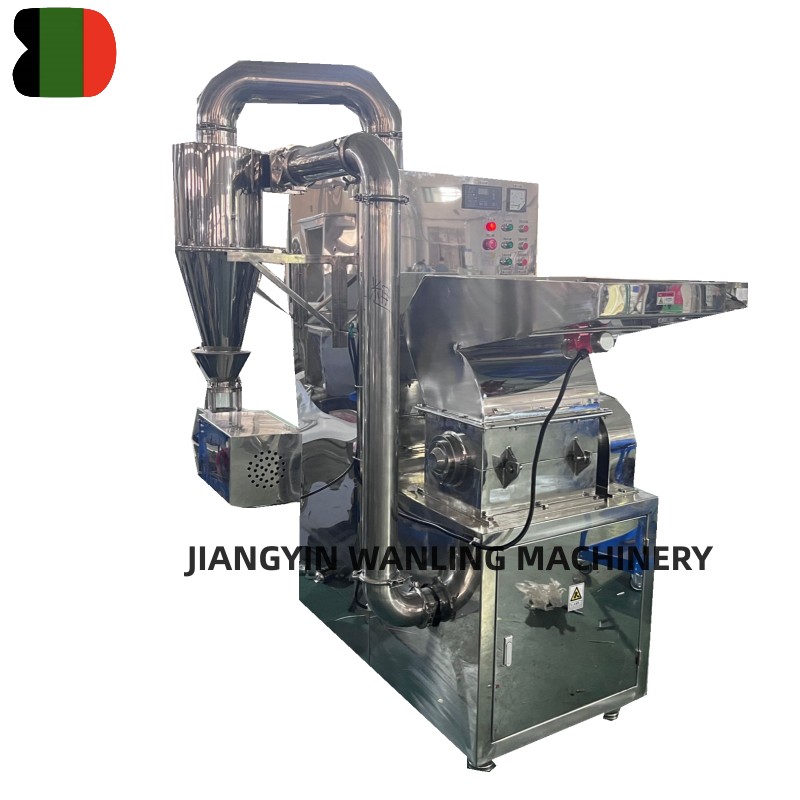
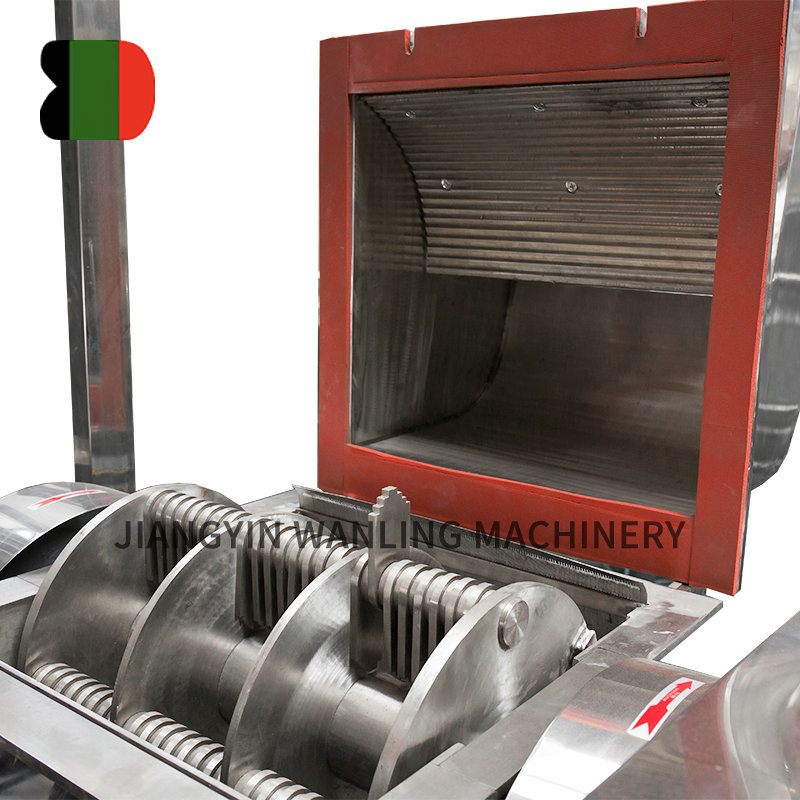
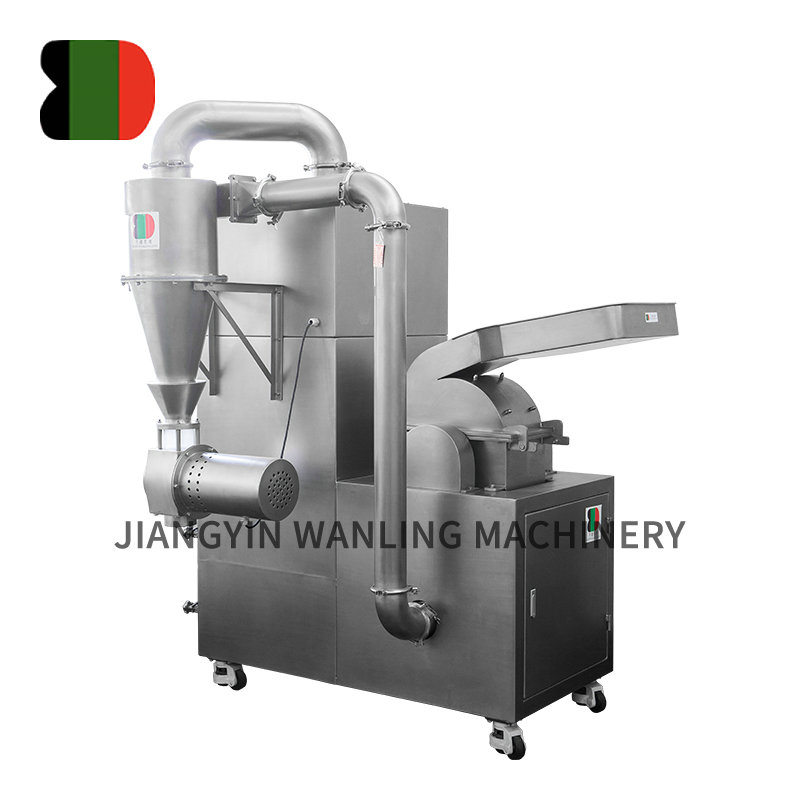
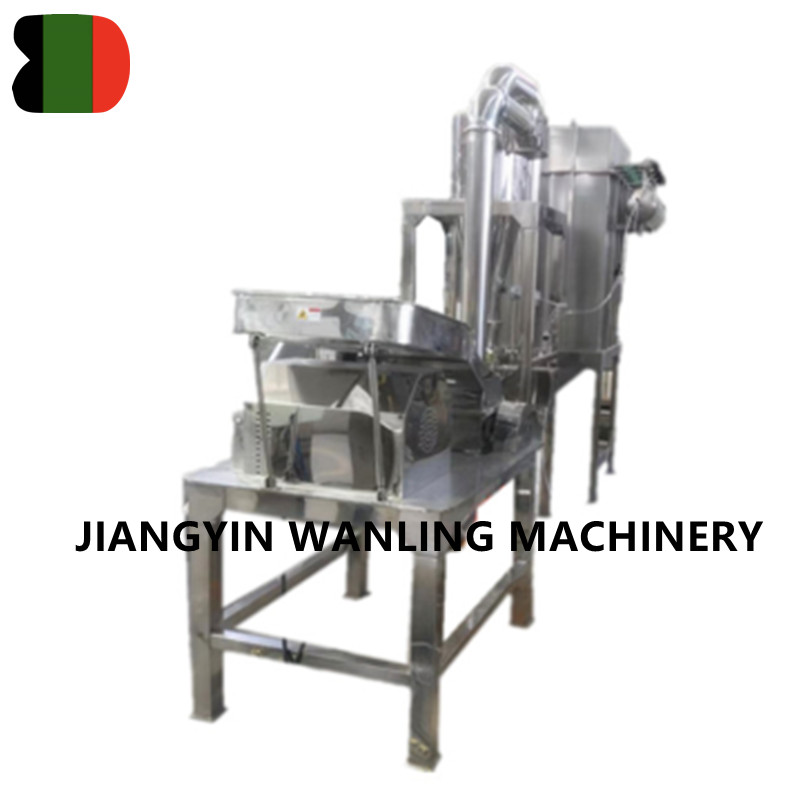
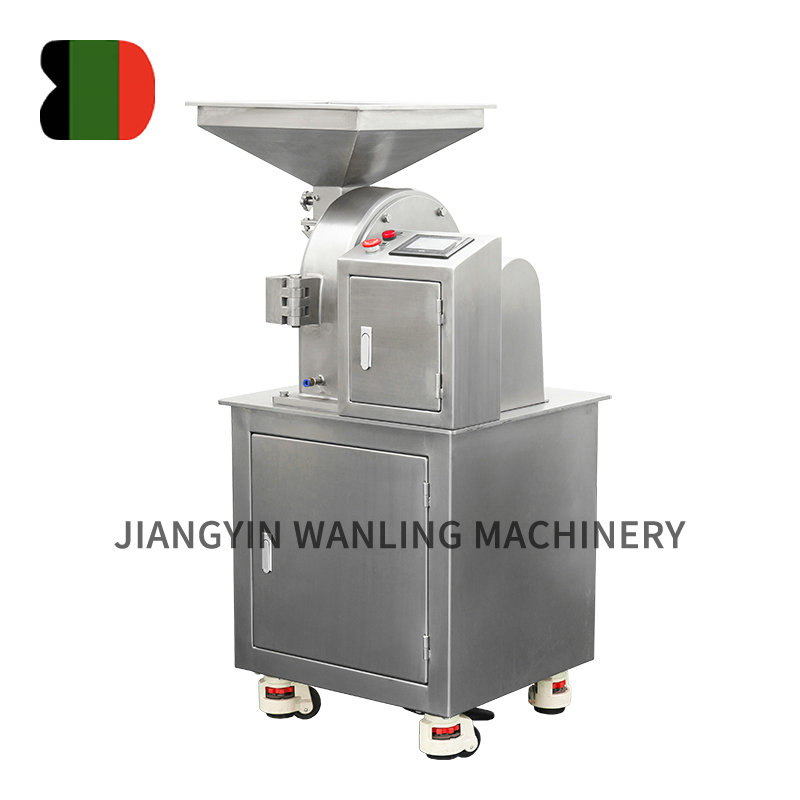
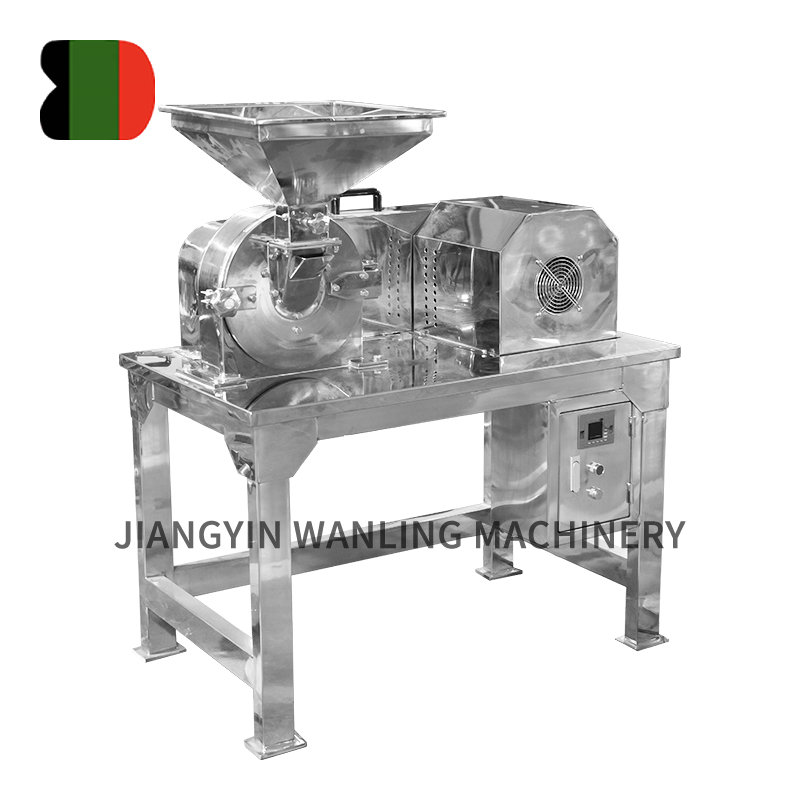
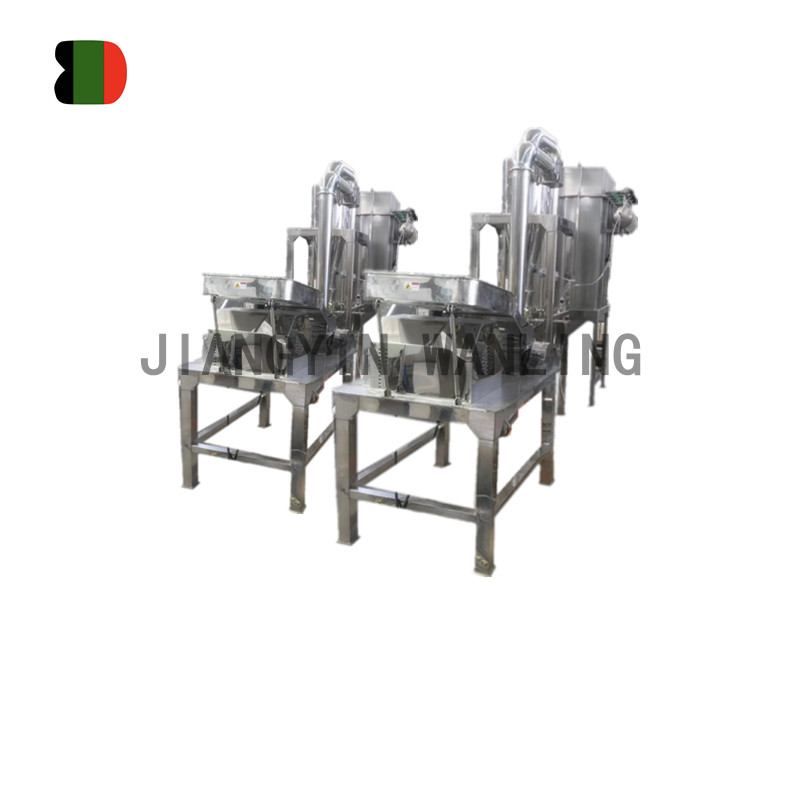
Grinding is the most obvious dust source, because it creates the fine fraction that sustains an explosion. A high-capacity spice powder hammer mill is typical: it produces the fine particles that form a dust cloud inside the grinding chamber. That does not make it unsafe, but the mill housing, dust extraction, and explosion relief must be engineered as a single system.
 Custom Industrial WSDF High Capacity Spice Powder Making Hammer Mill Machine MaJiangyin Wanling Factory is China custom industrial WSDF High Capacity Spice Powder Making Hammer Mill Machine manufacturers and Supplie...View Product →
Drying equipment presents a different version of the same challenge. A fluidized bed dryer deliberately suspends powder in a forced air stream, creating the dispersed cloud the pentagon requires. Confirm that a stainless steel fluidized bed dryer package includes explosion venting or suppression, that the filter housing is isolated, and that the control system shuts down on pressure or temperature deviation.
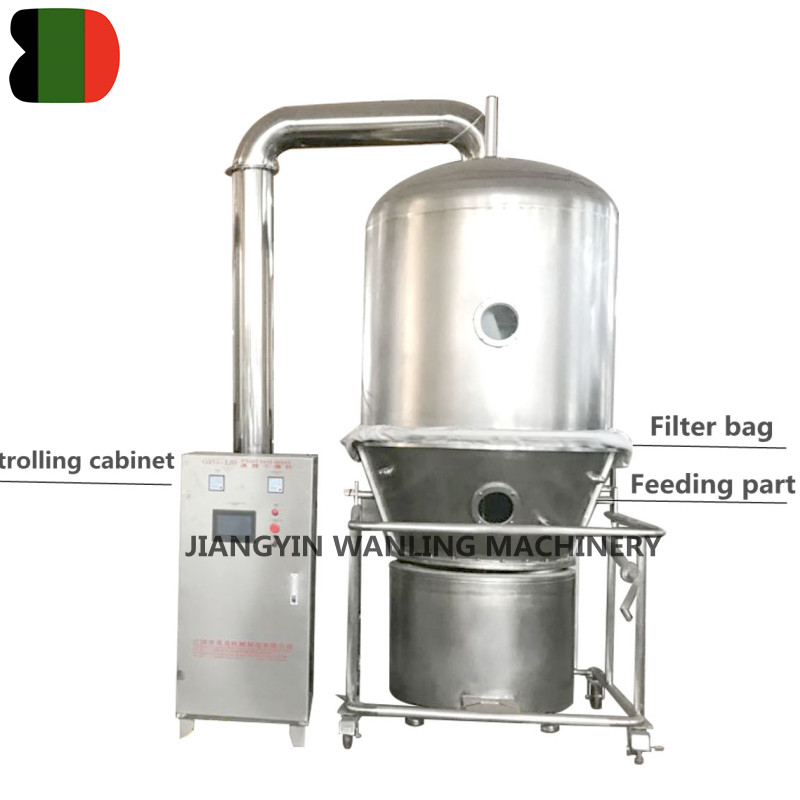 Custom Industrial GFG Stainless Steel Fluidized Bed FBD Dryer Machine ManufacturJiangyin Wanling Factory is China custom industrial GFG Stainless Steel Fluidized Bed FBD Dryer Machine manufacturers and Suppliers, GFG ...View Product →
Powder transfer is the third area to examine. Open chutes and manual container dumping release dust into the workroom. A closed stainless steel food powder vacuum conveyor reduces that release by moving material through sealed lines, but it still requires proper grounding and the same risk assessment as any other dust-handling component.
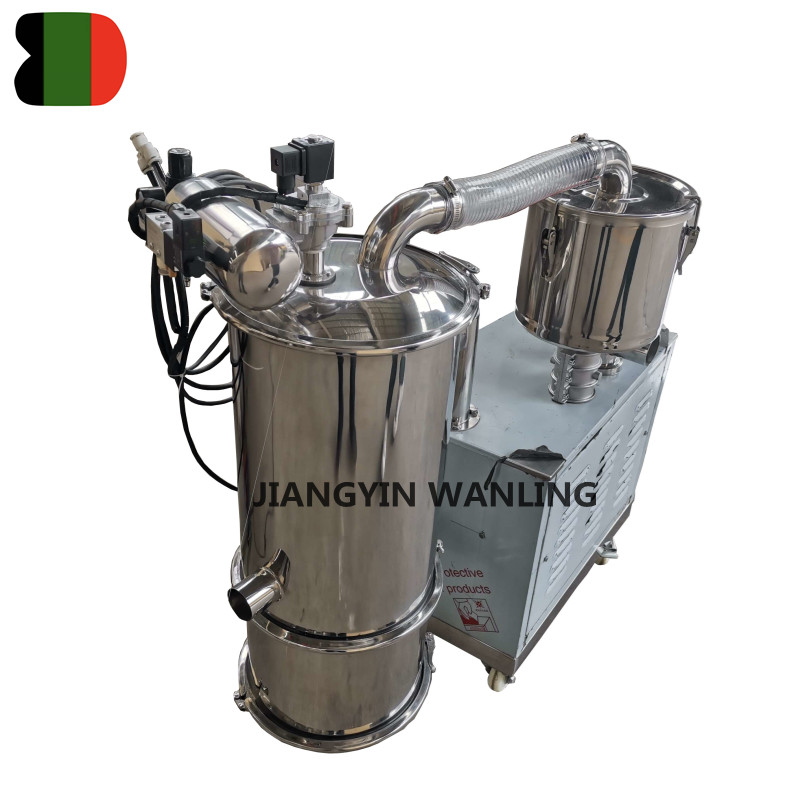 Custom Industrial ZKS Stainless Steel Food Powder Vacuum Conveyor Manufacturers,Jiangyin Wanling Factory is China custom industrial ZKS Stainless Steel Food Powder Vacuum Conveyor manufacturers and Suppliers, The ZKS ...View Product →
Before finalizing a purchase, review the operational details that affect dust generation and cleanability. Our guide to factors to consider before buying a spice grinding machine walks through the practical checks in more depth.
Dust explosions are not unpredictable. They follow the same physical rules in a sugar mill, a pharmaceutical granulation line, and a chemical grinding room. The event requires five conditions: combustible dust, oxygen, an ignition source, dispersion, and confinement. Remove one, and the explosion cannot occur.
For any plant that handles fine powders, the practical sequence is clear: characterize the dust, audit the housekeeping, control ignition sources, and specify equipment that supports the protection strategy. Plant managers, process engineers, and equipment buyers who put dust explosion safety at the center of their decisions protect their people, their property, and their production continuity.