

 Español
Content
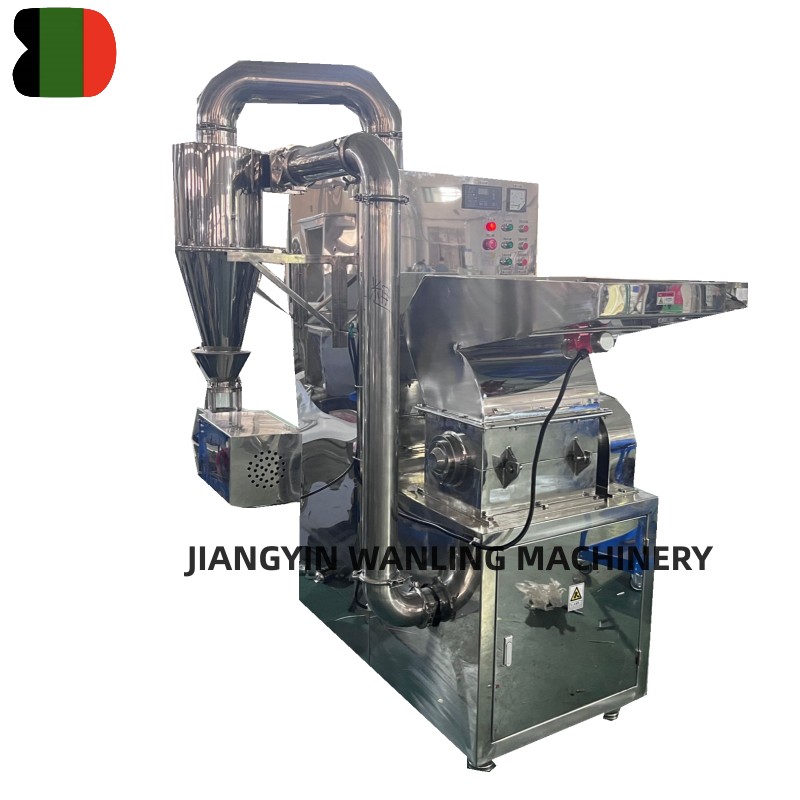
Introduction to WLF Cyclone Type Sugar Mill Machines
WLF Cyclone type sugar mill machines are widely used in sugar processing industries due to their efficiency in extracting sugar juice from cane. Unlike traditional mills, the cyclone system utilizes centrifugal force to separate juice from bagasse effectively, increasing extraction rates and reducing operational losses. Understanding their design and function is crucial for optimizing sugar production processes.
The primary advantage of the WLF Cyclone type system lies in its unique combination of mechanical pressing and centrifugal separation. This ensures maximum juice recovery, reduced wear on mill components, and consistent sugar quality. Industrial plants benefit from both operational efficiency and maintenance savings.
Structural Design and Components
Main Cylinder and Rollers
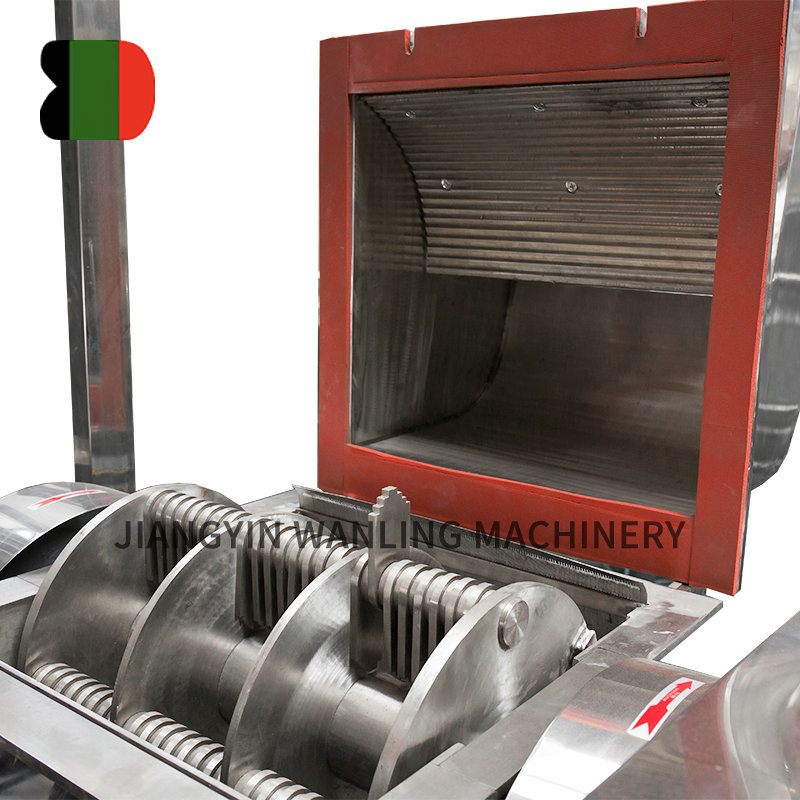
The main cylinder of a WLF Cyclone sugar mill houses heavy-duty rollers that crush sugar cane. These rollers are typically made from high-strength steel to withstand the high pressures of sugar cane processing. The spacing and diameter of the rollers are precisely engineered to optimize juice extraction while minimizing fiber damage.
Cyclone Separation System
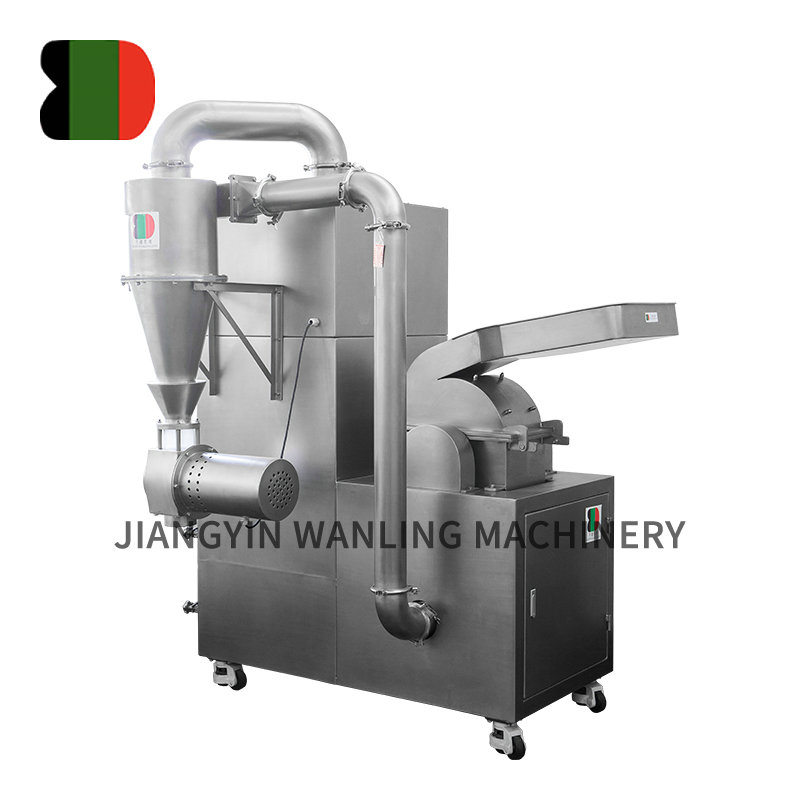
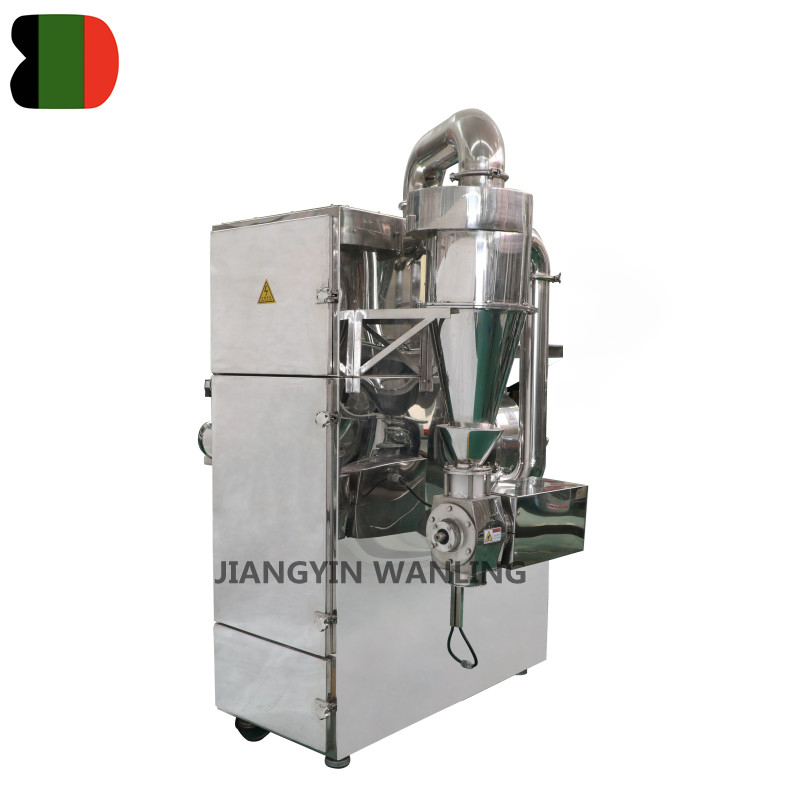
The cyclone unit is an integral component that uses centrifugal force to separate juice from bagasse. Cane juice, after initial crushing, enters the cyclone chamber where the spinning motion drives heavier bagasse fibers outward while allowing the liquid juice to flow to the collection system. This method reduces juice losses and increases efficiency compared to conventional gravity separation.
Feed and Discharge Mechanisms
Sugar cane is fed into the mill through an automated conveyor system ensuring continuous and uniform input. The processed bagasse is expelled through a dedicated discharge chute into a collection area for either combustion, animal feed, or further processing. Proper alignment of feed and discharge systems ensures consistent throughput and prevents equipment blockages.
Working Principles of WLF Cyclone Sugar Mills
Cane Crushing Mechanism
The primary crushing occurs as sugar cane passes through the roller cylinders. The applied mechanical pressure breaks the cane fibers, releasing juice while maintaining the integrity of residual fibers. The design allows for continuous high-speed processing with minimal downtime.
Centrifugal Juice Extraction
After initial crushing, the juice-laden bagasse is directed to the cyclone chamber. The spinning action generates centrifugal force, separating the liquid sugar juice from solid fibers efficiently. This step minimizes residual sugar loss in bagasse and improves overall extraction efficiency, often exceeding 90%.
Juice Collection and Flow
Separated juice flows through a network of pipes to settling tanks or evaporators, depending on plant design. The system is optimized to prevent contamination from fiber residues and maintain consistent juice quality for downstream sugar refining processes.
Operational Advantages
- High extraction efficiency due to combined mechanical and centrifugal separation
- Continuous operation with minimal downtime and maintenance
- Reduced energy consumption compared to conventional mills
- Consistent juice quality and reduced fiber contamination
- Durable construction ensuring long operational lifespan
- Flexibility in handling varying cane sizes and moisture content
Comparison with Traditional Sugar Mills
| Feature | Conventional Roller Mill | WLF Cyclone Sugar Mill |
| Juice Extraction Rate | 70%-80% | >90% |
| Fiber Loss | High | Low |
| Energy Efficiency | Moderate | High |
| Maintenance | Frequent | Minimal |
Maintenance and Operational Tips
Regular Inspection
Routine inspection of rollers, bearings, and cyclone chambers ensures consistent performance. Monitoring wear and tear prevents unexpected breakdowns and maintains high extraction efficiency.
Lubrication and Cleaning
All moving parts require proper lubrication to minimize friction and wear. Regular cleaning of the cyclone chamber and juice collection pipelines prevents clogging and contamination, ensuring smooth operations.
Conclusion
WLF Cyclone type sugar mill machines represent a significant advancement in industrial sugar processing. By integrating mechanical crushing with centrifugal separation, they achieve superior juice extraction, energy efficiency, and product quality compared to conventional mills.
Understanding the working principles, structural design, and maintenance requirements of these machines enables plant operators to maximize sugar recovery, reduce operational costs, and maintain consistent product quality over the long term.