

 Español
Content
- 1 Overview of KZL Food Granule Rapid Sorting Machine
- 2 Core Working Principle of the KZL Sorting System
- 3 Structural Design of the KZL Machine
- 4 Working Process of Food Granule Sorting
- 5 Application Scenarios in Food Industry
- 6 Key Advantages of KZL Sorting Technology
- 7 Comparison of Sorting Methods in Food Processing
- 8 Maintenance and Operational Stability
- 9 Conclusion: Importance of KZL Sorting Technology
Overview of KZL Food Granule Rapid Sorting Machine
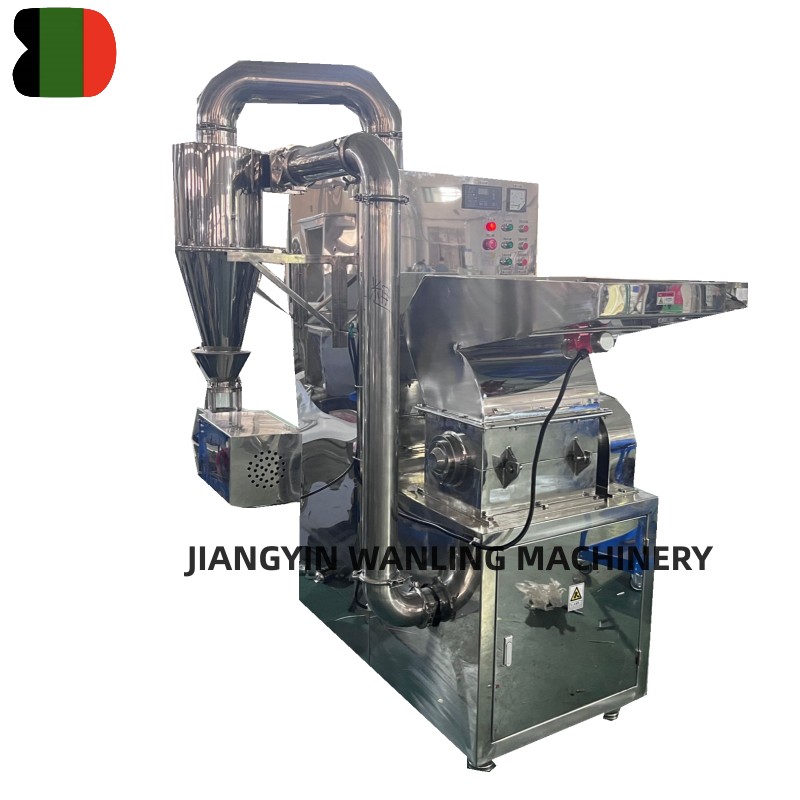
The KZL food granule rapid sorting machine is a specialized industrial device designed for high-speed classification and separation of food particles based on size, density, and physical properties. It is widely used in food processing industries such as spices, grains, dehydrated vegetables, and pharmaceutical food additives.
The machine operates using mechanical cutting, centrifugal force, and airflow-assisted separation principles, allowing continuous and efficient particle classification with minimal manual intervention.
Core Working Principle of the KZL Sorting System
The working principle of the KZL rapid sorting machine is based on high-speed rotor movement combined with controlled airflow and screening mechanisms. Material is introduced into the chamber where rotating blades and airflow forces break agglomerates and separate particles efficiently.
Through continuous impact, shear force, and centrifugal motion, oversized particles are broken down or redirected, while qualified particles pass through the screening system for collection.
Centrifugal Force-Based Separation
As the rotor spins at high speed, particles are subjected to centrifugal force. Larger or heavier particles are pushed outward, while finer particles move through the screen mesh.
Airflow-Assisted Classification
Controlled airflow inside the chamber helps lift lighter particles and guide them toward designated outlets, improving separation accuracy and efficiency.
Structural Design of the KZL Machine
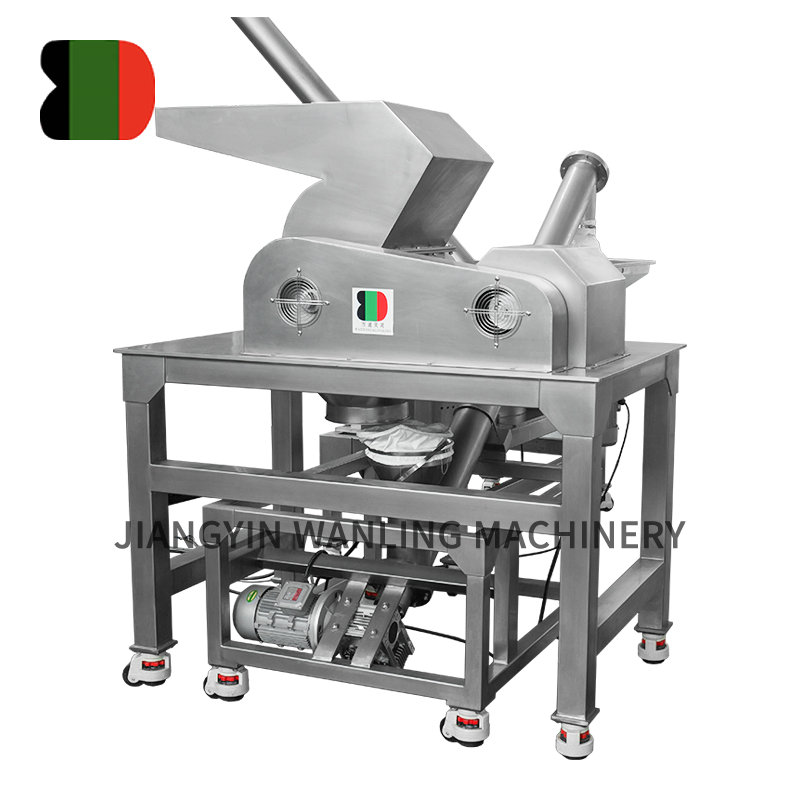
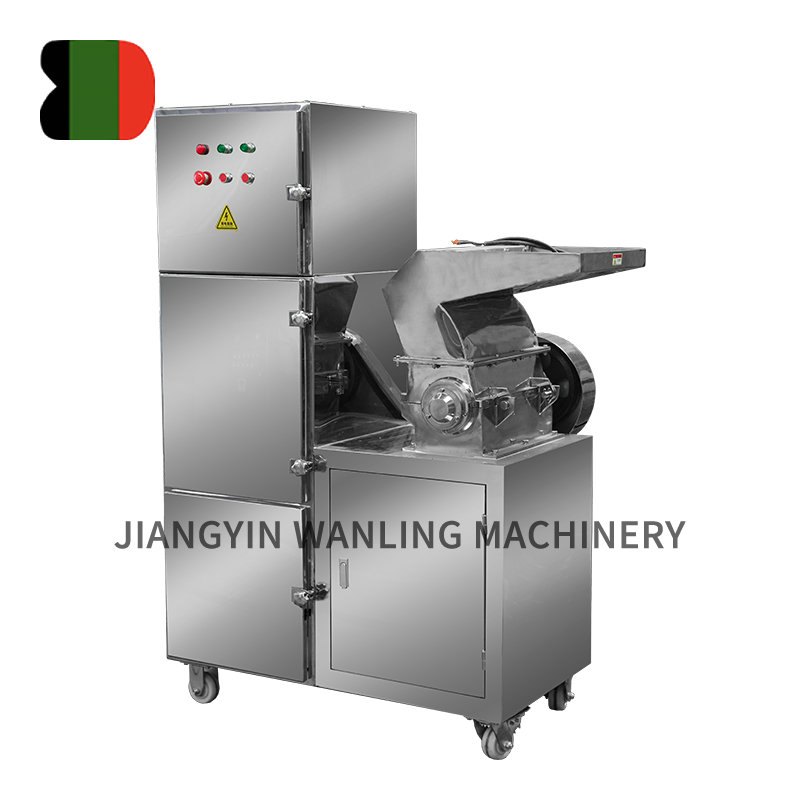
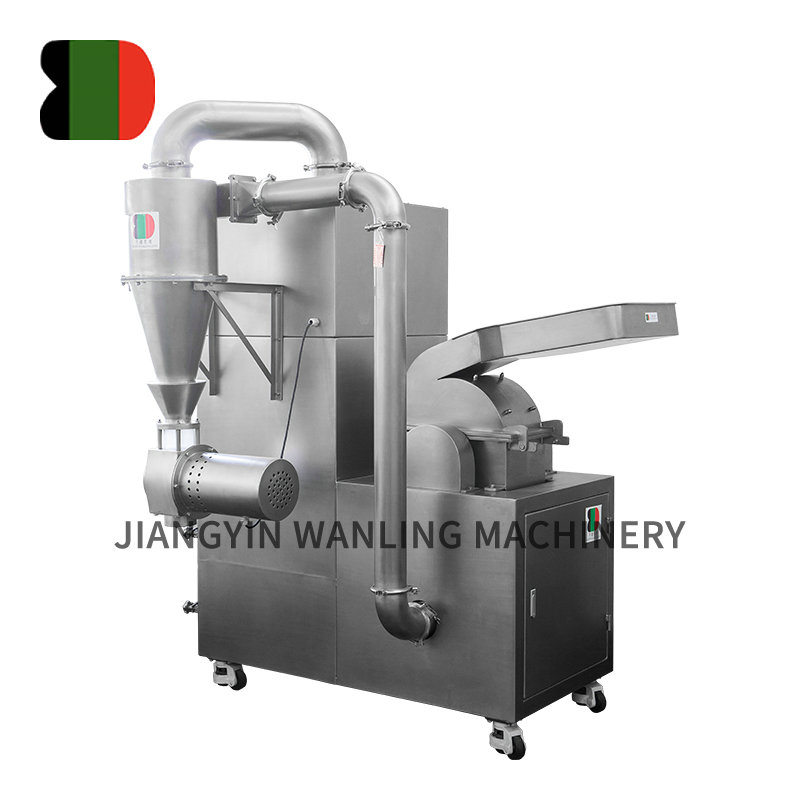
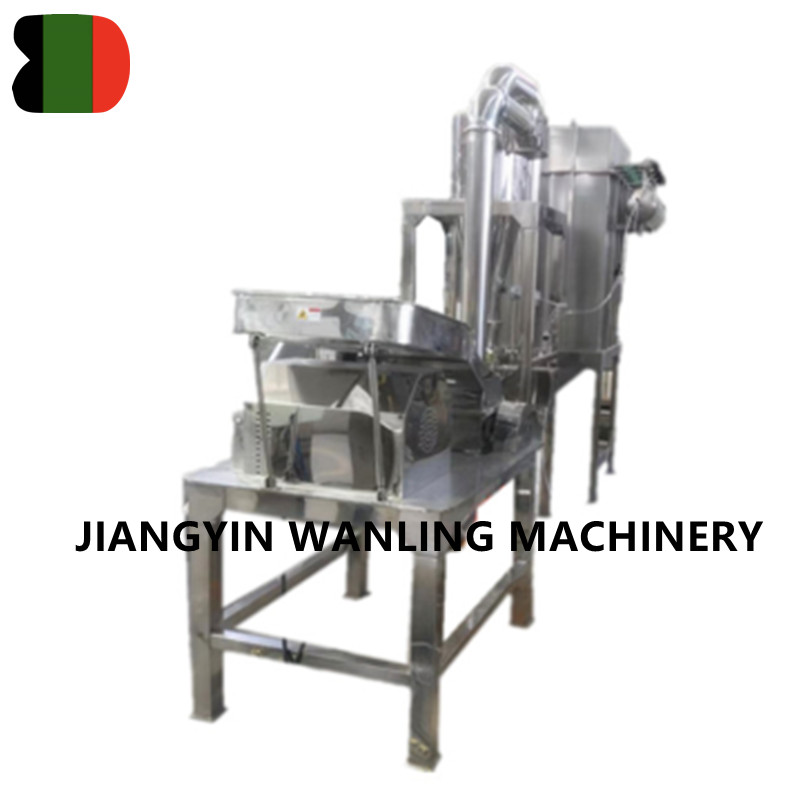
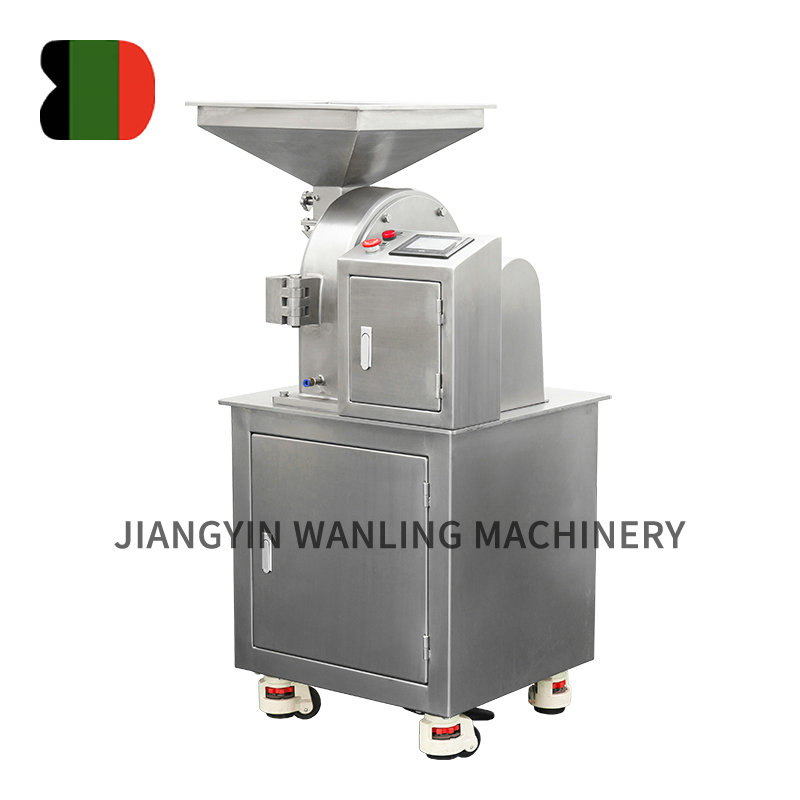
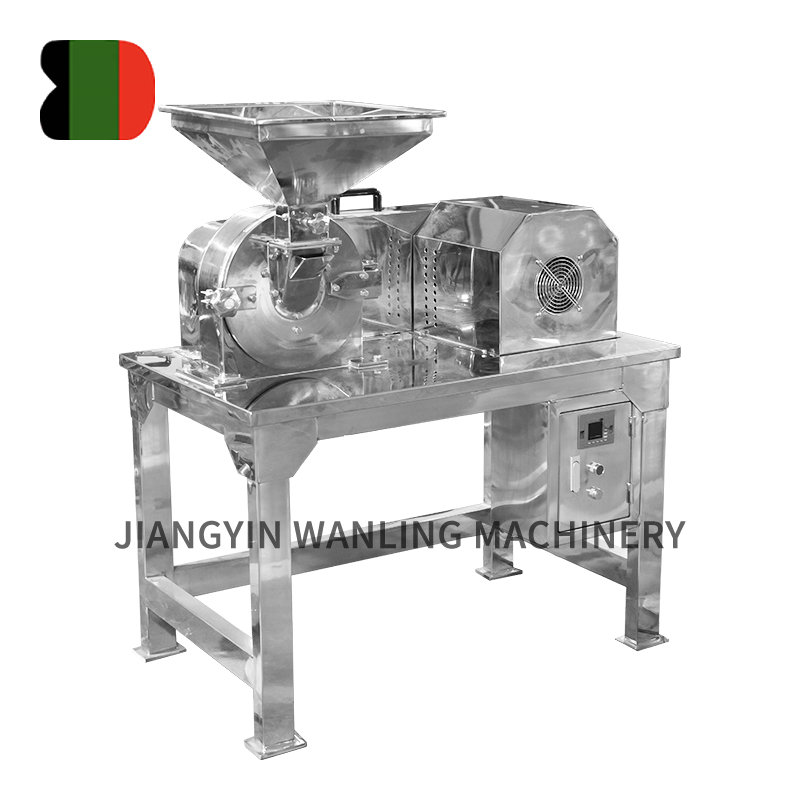
The KZL sorting machine consists of multiple integrated components designed for continuous operation, high-speed processing, and precise particle classification.
Feeding System
The feeding system ensures uniform and controlled material input into the sorting chamber. It prevents clogging and maintains stable processing flow.
High-Speed Rotor Assembly
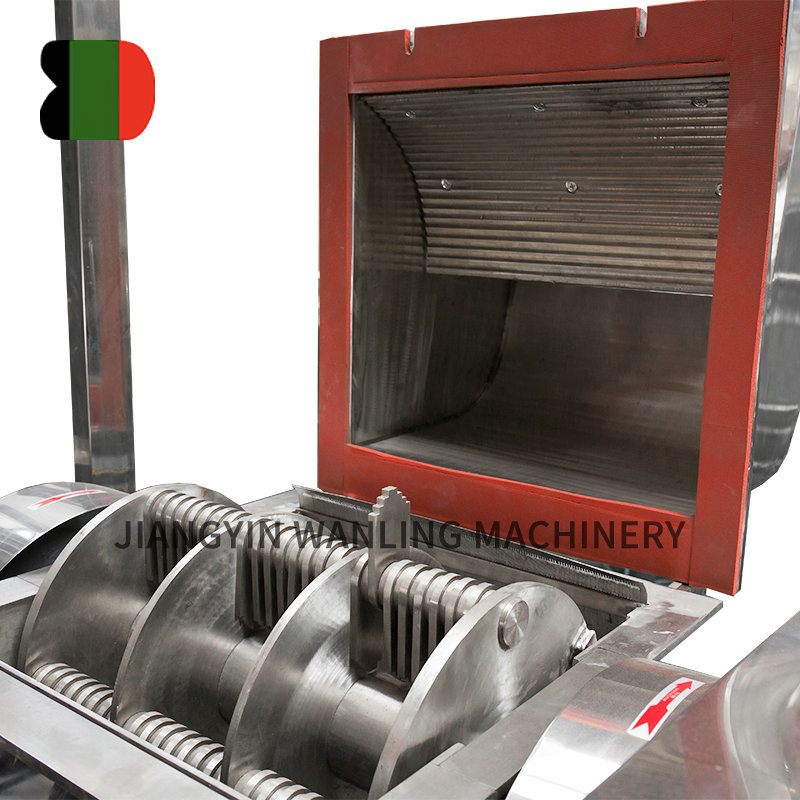
The rotor is the core component responsible for generating centrifugal force and mechanical impact. It is designed for durability and high rotational stability.
Screening and Classification Chamber
This chamber contains precision mesh screens that separate particles based on size. Different mesh sizes can be used depending on product requirements.
Discharge and Collection System
Separated materials are discharged through different outlets, ensuring clean classification into multiple grades for downstream processing.
Working Process of Food Granule Sorting
The sorting process follows a continuous flow, ensuring high throughput and stable product quality. Each stage contributes to effective separation and particle refinement.
Material Feeding and Distribution
Raw food granules are evenly fed into the machine to avoid uneven load distribution. This ensures stable rotor operation and consistent sorting performance.
Impact and Crushing Phase
Inside the rotor chamber, particles are subjected to mechanical impact, which breaks down agglomerates and prepares materials for classification.
Separation and Screening Phase
Particles are separated based on size and density as they pass through the screening mesh and airflow channels.
Output Classification
Final materials are discharged into different collection bins, ensuring precise grading for packaging or further processing.
Application Scenarios in Food Industry
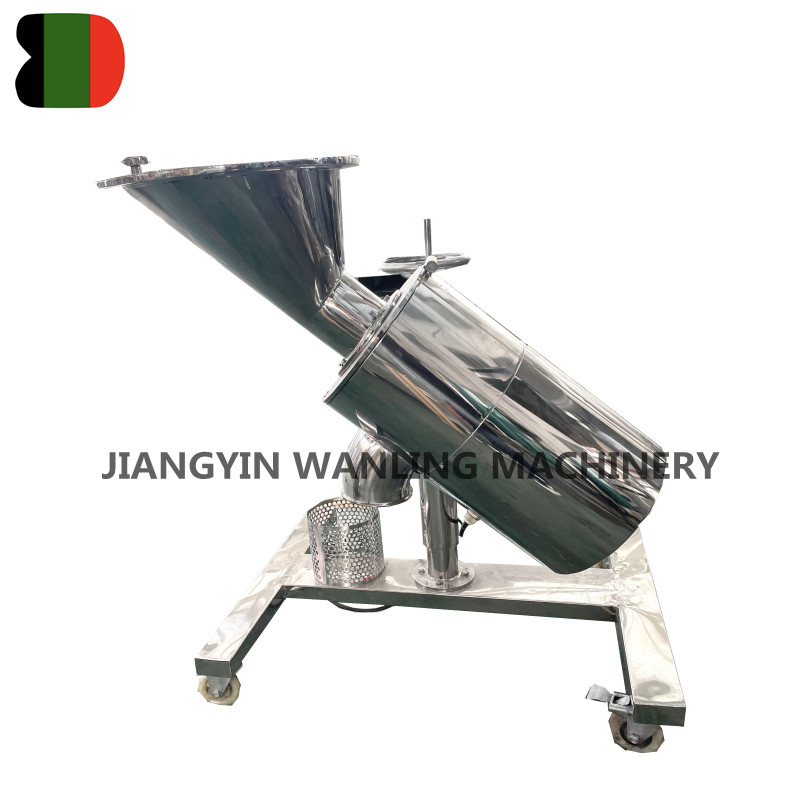
The KZL rapid sorting machine is widely used in food production lines where consistent particle size and purity are essential for product quality.
Spice Processing Industry
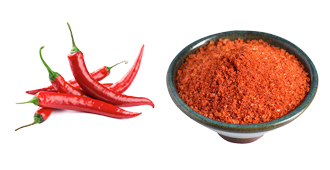
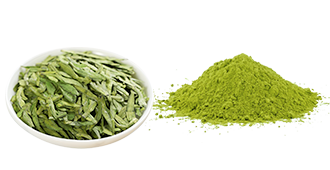
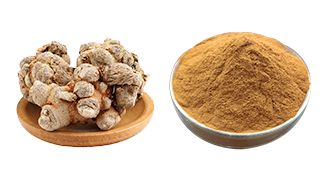
Used for sorting chili powder, pepper granules, and herbal powders to ensure uniform particle size and remove impurities.
Grain and Cereal Processing
Helps classify grains based on size and remove broken or undersized particles to improve product consistency.
Dehydrated Vegetable Production
Ensures uniform granule size for dehydrated onions, garlic, and vegetable flakes used in packaged food products.
Pharmaceutical Food Additives
Used in high-precision sorting of food-grade additives where particle consistency is critical for formulation accuracy.
Key Advantages of KZL Sorting Technology
The KZL food granule rapid sorting machine offers multiple advantages that make it essential in modern food processing facilities.
High Efficiency and Continuous Operation
The system supports continuous feeding and discharging, enabling high-volume production with minimal downtime.
Precise Particle Classification
Advanced screening and airflow control ensure accurate separation based on particle size and density.
Low Energy Consumption
Optimized rotor design reduces energy usage while maintaining high-speed operation efficiency.
Hygienic and Food-Grade Design
All contact parts are made from stainless steel, ensuring compliance with food safety standards.
Comparison of Sorting Methods in Food Processing
Different sorting technologies are used in food processing depending on product requirements and precision levels.
| Sorting Method | Principle | Efficiency | Application |
| Vibration Screening | Mesh vibration | Medium | Basic grain sorting |
| Airflow Separation | Air classification | High | Light particle sorting |
| KZL Rotor Sorting | Centrifugal + airflow | Very High | Fine food granules |
Maintenance and Operational Stability
Regular maintenance ensures stable performance and extends machine lifespan. Cleaning the rotor and screening mesh is essential to prevent clogging and contamination.
Lubrication of bearings and periodic inspection of airflow channels help maintain consistent sorting efficiency and reduce downtime.
Conclusion: Importance of KZL Sorting Technology
The KZL food granule rapid sorting machine plays a crucial role in modern food processing by ensuring high-speed, precise, and hygienic particle classification.
Its combination of centrifugal force, airflow separation, and mechanical screening makes it an efficient solution for industries requiring consistent product quality and large-scale production capacity.