

 Español
Content
- 1 What Is a Vertical Tea Granule Making Drying Granulator Machine?
- 2 How the Granulation and Drying Process Works Step by Step
- 3 Key Parts of the Vertical Granulator and Their Functions
- 4 Pharmaceutical Applications and Regulatory Relevance
- 5 Advantages of the Vertical Design Over Alternative Granulation Methods
What Is a Vertical Tea Granule Making Drying Granulator Machine?
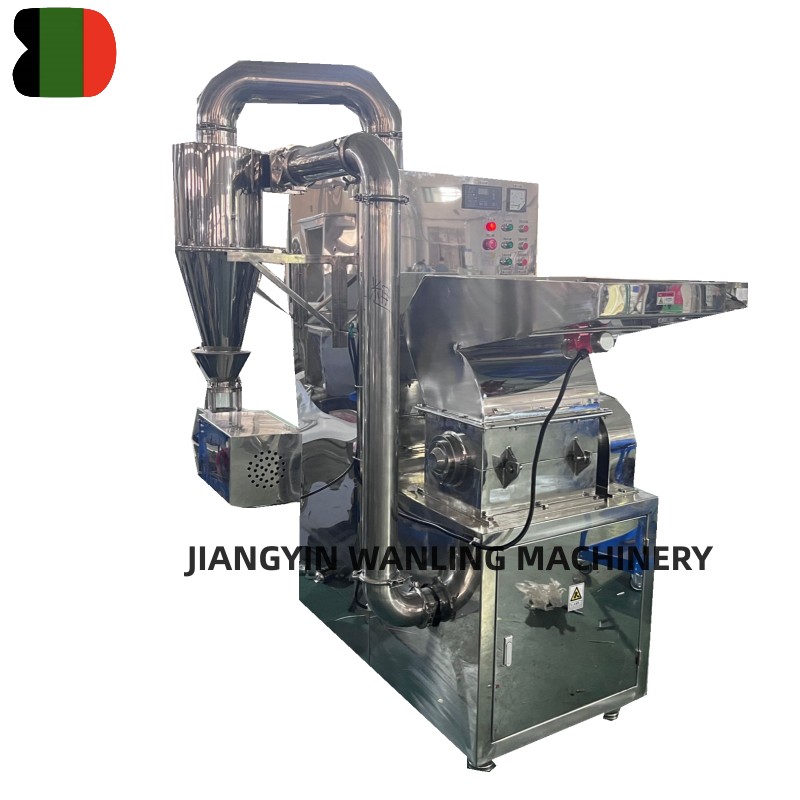
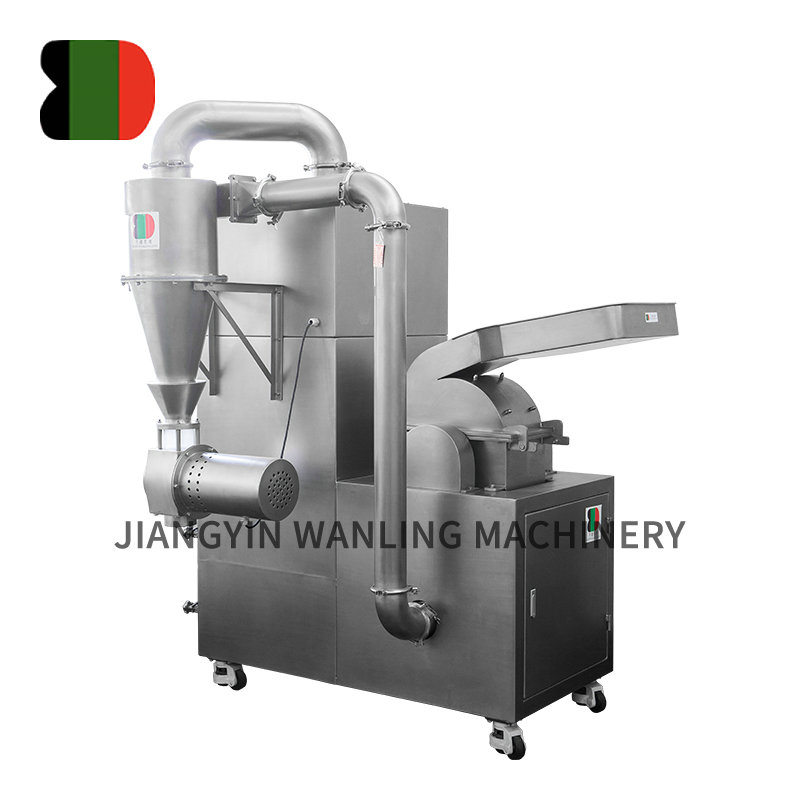
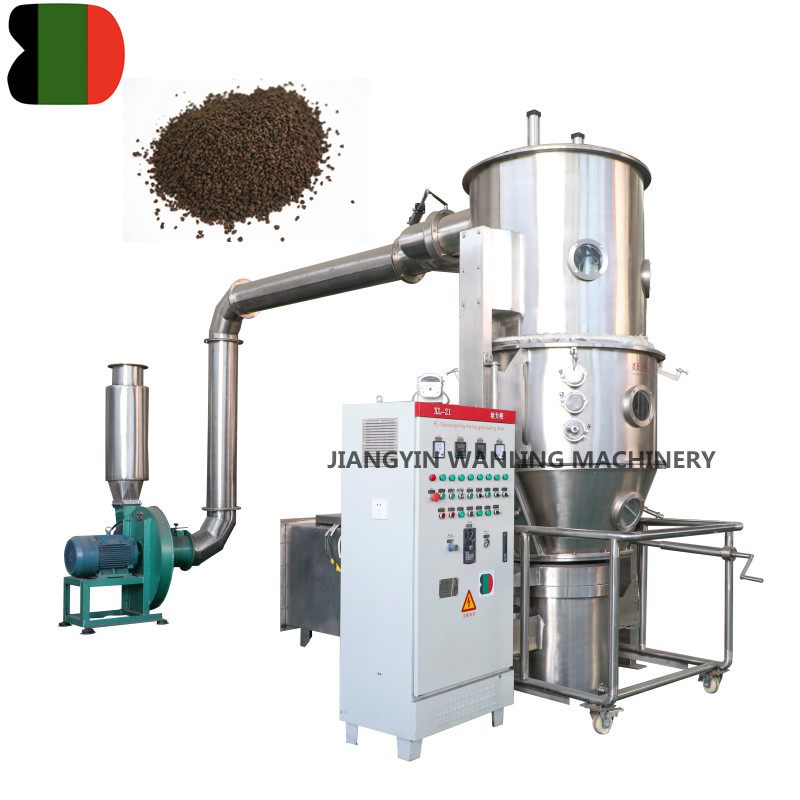
A vertical tea granule making drying granulator machine is a multifunctional processing unit that combines granulation, mixing, and drying into a single enclosed vertical chamber. Originally developed for the tea processing industry — where converting fine tea powder or moist tea extract into uniform, free-flowing granules is a critical production requirement — this equipment has since found widespread adoption in pharmaceutical manufacturing, nutraceutical production, food processing, and chemical applications where granulation quality directly determines end-product performance.
The vertical configuration is a defining feature of this machine class. Unlike horizontal drum granulators or pan granulators, the vertical design orients the processing chamber upright, allowing gravity, high-speed agitation, and temperature-controlled airflow to work in concert. This architecture produces granules with high uniformity, low dust content, and controlled moisture levels — all within a compact footprint that suits both pilot-scale and full production environments. The integrated drying function eliminates the need for a separate downstream dryer, reducing material handling steps, contamination risk, and total process cycle time.
How the Granulation and Drying Process Works Step by Step
The operational sequence of a vertical tea granule making drying granulator follows a carefully controlled cycle that can be broken into distinct phases. Understanding each phase clarifies why this machine type achieves the granule quality characteristics that both tea processors and pharmaceutical manufacturers require.
Phase 1 — Material Loading and Initial Mixing
Dry powder feedstock — which may be tea extract powder, a pharmaceutical active ingredient, or a blend of excipients — is loaded into the vertical processing bowl through the top inlet port. The high-speed chopper and the main impeller agitator begin rotation simultaneously, creating a three-dimensional tumbling and shearing motion that distributes the powder charge uniformly before any binder is introduced. This pre-mixing phase typically lasts two to five minutes and ensures that all components in a multi-ingredient blend are homogeneously distributed before granulation begins, which directly affects the content uniformity of the finished granules.
Phase 2 — Binder Addition and Wet Granulation
With agitation continuing, a liquid binder — typically water, an aqueous polymer solution such as hydroxypropyl methylcellulose (HPMC), polyvinylpyrrolidone (PVP) solution, or for tea products, a diluted tea concentrate — is sprayed into the bowl through a top-mounted spray nozzle or injected through a side port. The binder liquid wets the powder particles, and the mechanical shear forces from the impeller and chopper cause the moistened particles to collide, agglomerate, and form progressively larger granule nuclei. The rate and volume of binder addition, combined with impeller speed, determines the final granule size distribution. Process endpoints are typically detected by monitoring motor torque or power consumption, which increases predictably as granule density and size grow during the wet massing phase.
Phase 3 — In-Situ Drying with Heated Airflow
Once the target wet granule properties are achieved, the integrated drying system activates. Heated, filtered air — temperature typically set between 40°C and 80°C depending on the material's heat sensitivity — is introduced through the bowl's perforated base plate. The warm airflow passes upward through the granule bed, evaporating moisture from the granule surfaces while the agitator continues to turn at a reduced drying speed, preventing granule consolidation and ensuring all surfaces are exposed to the drying airstream. Exhaust air carrying moisture vapour exits through the top-mounted filter system. This fluidised drying within the granulation bowl is what gives the machine its multi-function value — the granules are dried to target moisture content without being transferred to another vessel.
Phase 4 — Discharge and Sizing
When the in-process moisture sensor or the operator's time-based protocol confirms that the target loss-on-drying (LOD) value has been reached, the discharge valve on the side or bottom of the bowl opens, and the finished granules exit by gravity or with agitator assistance. Many machines are paired with an inline granule sizer or oscillating granulator at the discharge point to break any oversized agglomerates that formed during drying and deliver a final product with a tight particle size distribution ready for subsequent compression, packaging, or blending operations.
Key Parts of the Vertical Granulator and Their Functions
The performance and reliability of a vertical tea granule drying granulator are determined by the design quality of its core components. Each part plays a specific and critical role in the granulation and drying sequence.
| Component | Material / Specification | Primary Function |
|---|---|---|
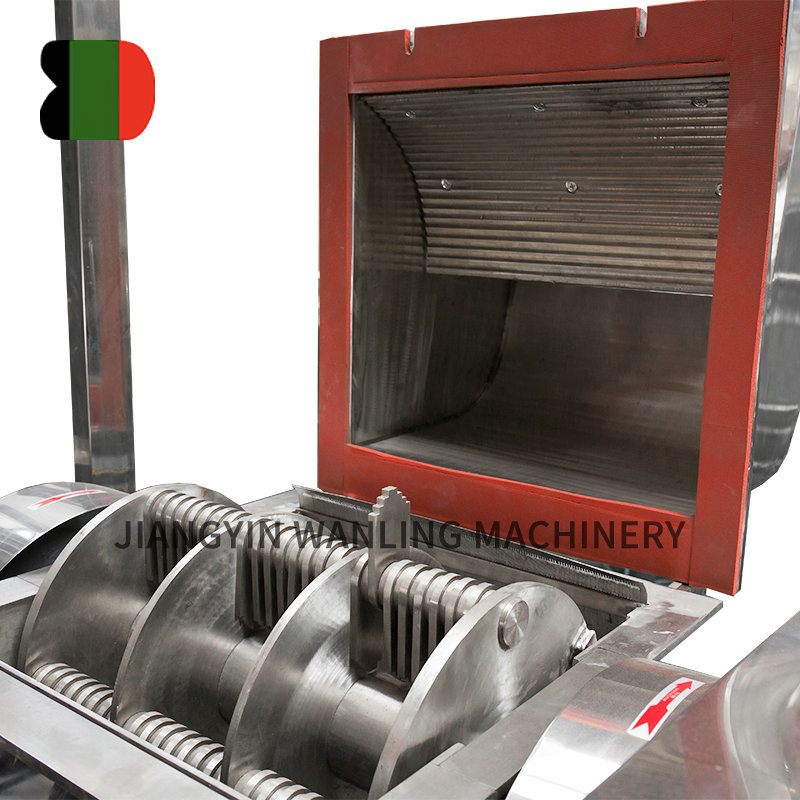
| Processing Bowl | 316L stainless steel, mirror-polished interior | Contains the material charge; provides the granulation and drying chamber |
| Main Impeller Agitator | 316L SS, variable speed motor drive | Generates tumbling and compressive forces for powder mixing and granule formation |
| High-Speed Chopper | Hardened SS blades, 1,000–3,000 rpm | Breaks large agglomerates; controls maximum granule size during wet massing |
| Binder Spray System | Peristaltic pump, two-fluid nozzle | Delivers atomised binder liquid at a controlled rate into the powder bed |
| Perforated Base Plate | SS sinter mesh or punched plate, 80–200 µm pore size | Distributes inlet drying airflow uniformly across the bowl cross-section |
| Inlet Air Handling Unit | HEPA-filtered, steam or electric heater | Supplies clean, temperature-controlled air for in-bowl drying |
| Exhaust Filter System | Bag filter or cartridge filter, inline shaker | Captures fine particles from exhaust airflow; maintains process containment |
| Process Control Panel | PLC with HMI touchscreen, 21 CFR Part 11 option | Controls and records all process parameters; enables recipe management and audit trail |
Pharmaceutical Applications and Regulatory Relevance
The pharmaceutical industry is one of the most demanding adopters of vertical granulator drying technology. The requirement to produce granules with precisely controlled particle size, bulk density, compressibility, and moisture content — and to do so in a validated, reproducible, and fully documented process — aligns exactly with what well-engineered vertical granulators are designed to deliver.
Tablet and Capsule Feedstock Preparation
The majority of pharmaceutical solid dosage forms — tablets and hard gelatin capsules — are manufactured from granulated rather than direct-compression powder blends. Granulation improves powder flowability, reduces segregation of active ingredients from excipients during tablet press feeding, and improves compressibility, allowing lower compression forces that reduce tooling wear and tablet defect rates. Vertical granulators are used to prepare these feedstocks for high-speed rotary tablet presses producing millions of tablets per shift. Active pharmaceutical ingredients (APIs) that are cohesive, hygroscopic, or poorly flowing as raw powders are routinely granulated in vertical granulators with binders such as PVP K30, copovidone, or HPMC E5 to create compressible granules with the flow and density characteristics the press requires.
Effervescent and Soluble Granule Production
Effervescent pharmaceutical products — vitamin C tablets, antacid sachets, oral rehydration salts — require granulation of moisture-sensitive acid-base systems (typically citric acid and sodium bicarbonate) under tightly controlled humidity conditions. Vertical granulators with temperature-controlled jacket systems and low-humidity inlet air capability are used to produce these granules at moisture levels below 0.5 percent LOD, preventing premature effervescent reaction during processing. The same technology applies to instant tea and herbal extract granules in the nutraceutical segment, where solubility and dissolution rate of the finished granule determine the consumer's sensory experience.
GMP Compliance and Equipment Qualification
Pharmaceutical-grade vertical granulators must conform to current Good Manufacturing Practice (cGMP) requirements as defined by regulatory authorities including the US FDA, European EMA, and ICH guidelines. This compliance is built into the machine design through several specific features:
- All product-contact surfaces fabricated from 316L stainless steel with Ra ≤ 0.8 µm surface finish to prevent product adhesion and facilitate validated cleaning.
- Clean-in-place (CIP) and wash-in-place (WIP) systems integrated into the bowl and spray manifold design, allowing validated cleaning cycles without manual disassembly between product batches.
- 21 CFR Part 11 compliant control systems that provide electronic batch records, audit trails, electronic signatures, and recipe management — eliminating paper-based documentation risk in regulated production environments.
- IQ/OQ/PQ documentation packages supplied by the manufacturer to support Installation Qualification, Operational Qualification, and Performance Qualification protocols required for regulatory submission.
- Contained charging and discharging systems with integrated dust extraction to protect operators handling potent compounds and to maintain cleanroom environmental classifications.
Advantages of the Vertical Design Over Alternative Granulation Methods
The vertical tea granule making drying granulator offers several practical advantages over alternative granulation technologies — fluid bed granulators, rotary drum granulators, and twin-screw continuous granulators — that explain its continued prevalence in both tea processing and pharmaceutical production.
- Compact process integration — combining mixing, wet granulation, and drying in one vessel eliminates intermediate transfer steps, reducing cross-contamination risk and total batch processing time by 20 to 40 percent compared to sequential separate equipment.
- High batch-to-batch reproducibility — closed-bowl processing with PLC-controlled parameters produces granules with consistent particle size distribution (typically D50 within ±10 percent of target) across batches, which is essential for both product quality assurance and process validation.
- Suitability for high-value or potent materials — the enclosed vertical bowl provides inherent containment for dust-generating or biologically active materials, protecting both operators and the production environment without requiring additional isolator systems at smaller batch scales.
- Flexible batch size range — vertical granulators are manufactured in bowl volumes from as small as 1 litre (laboratory scale) to 1,200 litres (production scale), allowing direct scale-up from development to commercial manufacturing using the same equipment design principles and process parameters.
- Low binder consumption — the high-shear mixing action of the impeller and chopper distributes binder liquid highly efficiently through the powder bed, achieving granulation endpoints with smaller binder quantities than lower-shear methods, which benefits granule porosity, tablet dissolution, and drying time.
For manufacturers processing tea extracts, herbal concentrates, or pharmaceutical actives that require granulation, the vertical drying granulator represents one of the most technically complete and operationally efficient single-unit solutions available. Its ability to deliver controlled granule properties, integrated drying, contained processing, and full documentation compliance within a single machine cycle addresses the core production challenges of both the tea industry and modern pharmaceutical manufacturing simultaneously.