

 Español
Content
Introduction to Spice Grinding Machines
Spice grinding machines are essential tools for both commercial and home kitchens, enabling the efficient processing of whole spices into fine powders. Choosing the right grinding machine impacts not only the quality and flavor of the spices but also operational efficiency and longevity of the equipment. Understanding the types, materials, power options, and performance features is crucial for selecting a machine that meets specific needs.
Whether you are a small-scale spice processor, a restaurant owner, or running an industrial spice manufacturing facility, this guide provides detailed insights to help you make informed decisions when investing in a grinding machine for spices.
Types of Spice Grinding Machines
Spice grinding machines vary by grinding method, capacity, and intended use. Selecting the correct type ensures optimal efficiency and consistency in spice processing.
Manual Spice Grinders
Manual grinders are suitable for home kitchens or small-scale operations. They require hand operation and are ideal for occasional use. These grinders provide control over the grind size but may be less consistent compared to electric machines when processing large quantities.
Electric Spice Grinding Machines
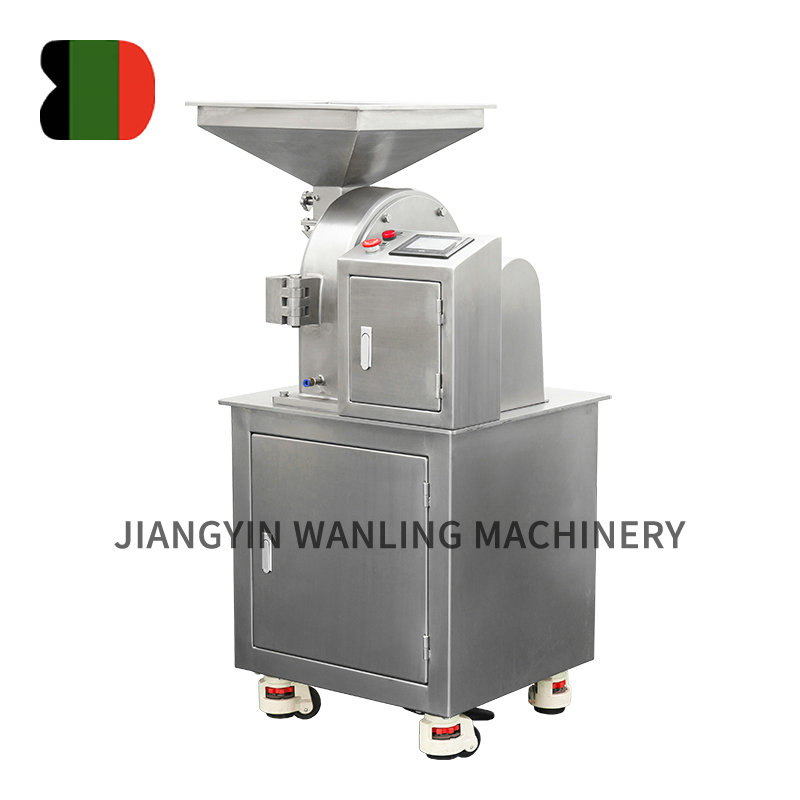
Electric grinders are efficient, capable of processing large quantities quickly, and suitable for commercial or industrial use. They come in various power ratings, from low-power home models to high-power industrial units. Electric machines often feature adjustable grind sizes and safety features for reliable operation.
High-Speed and Industrial Spice Mills
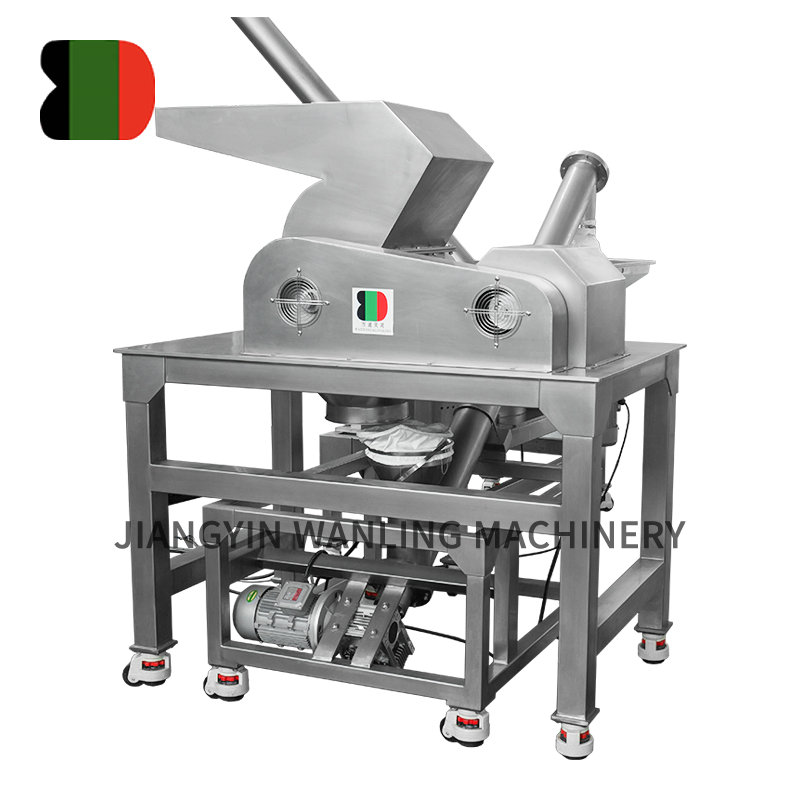
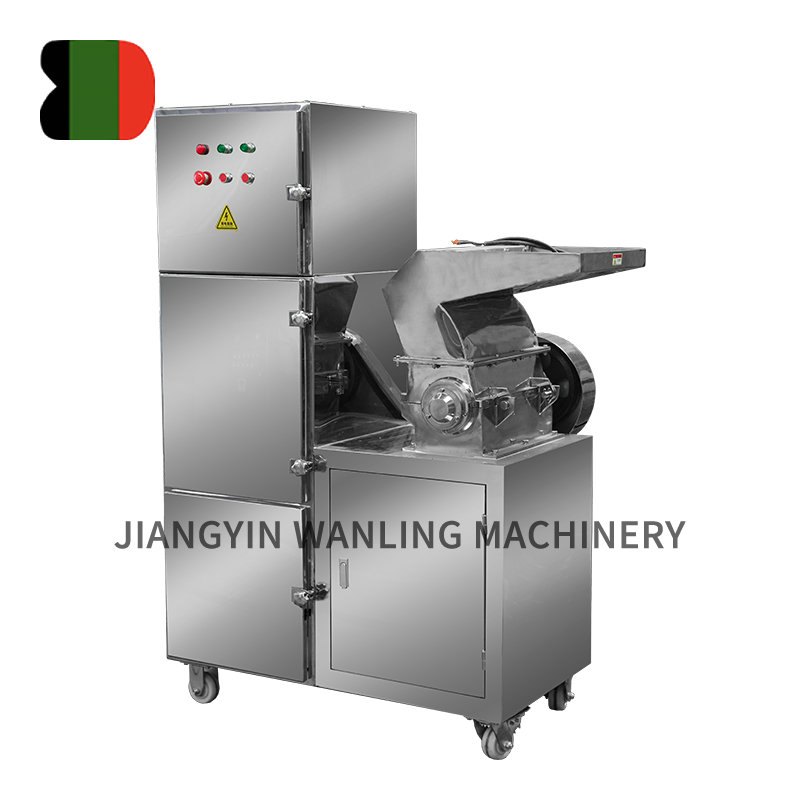
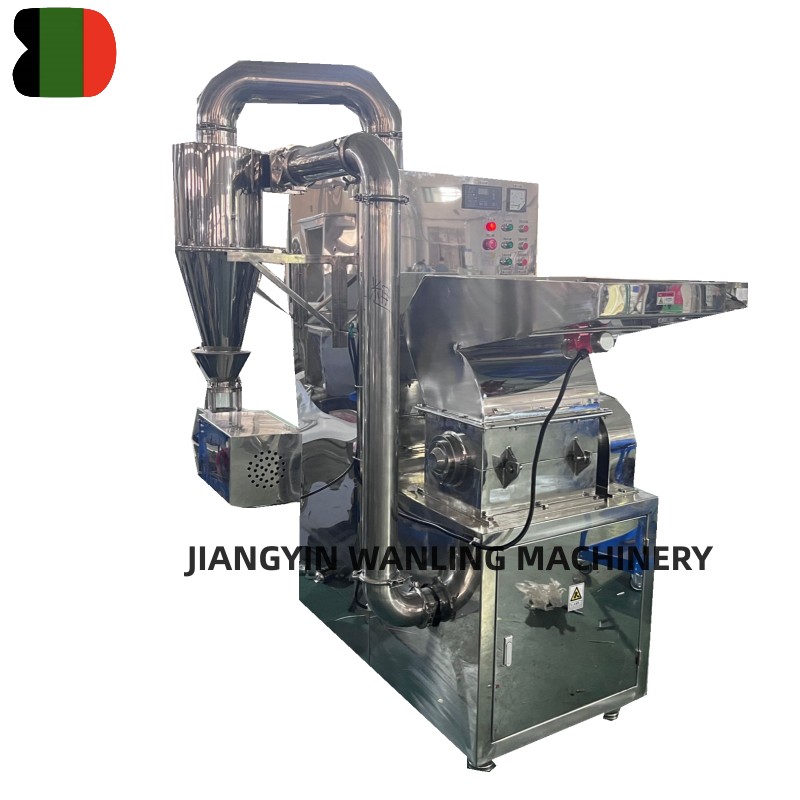
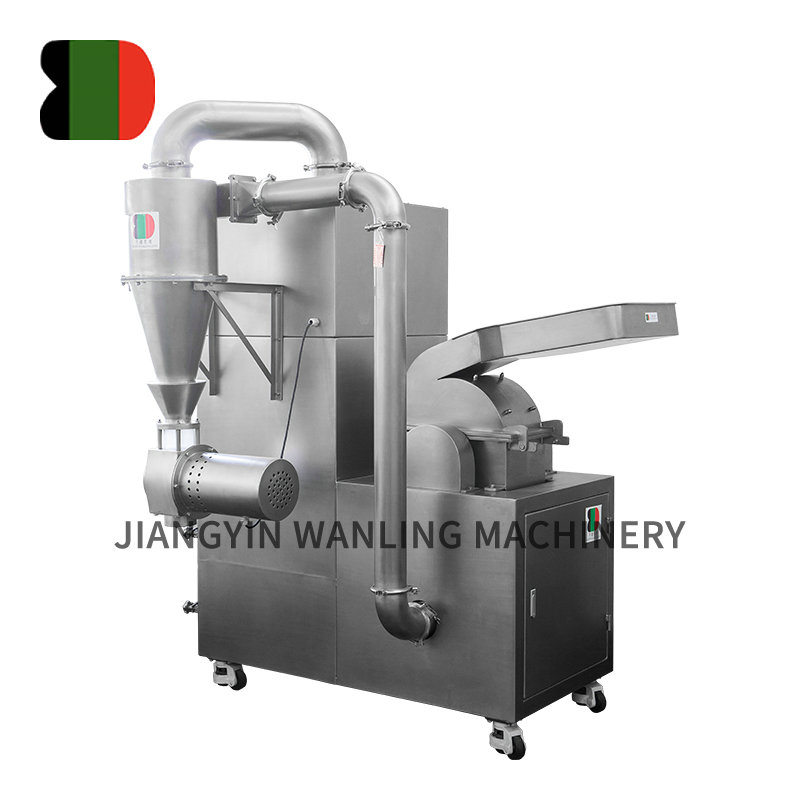
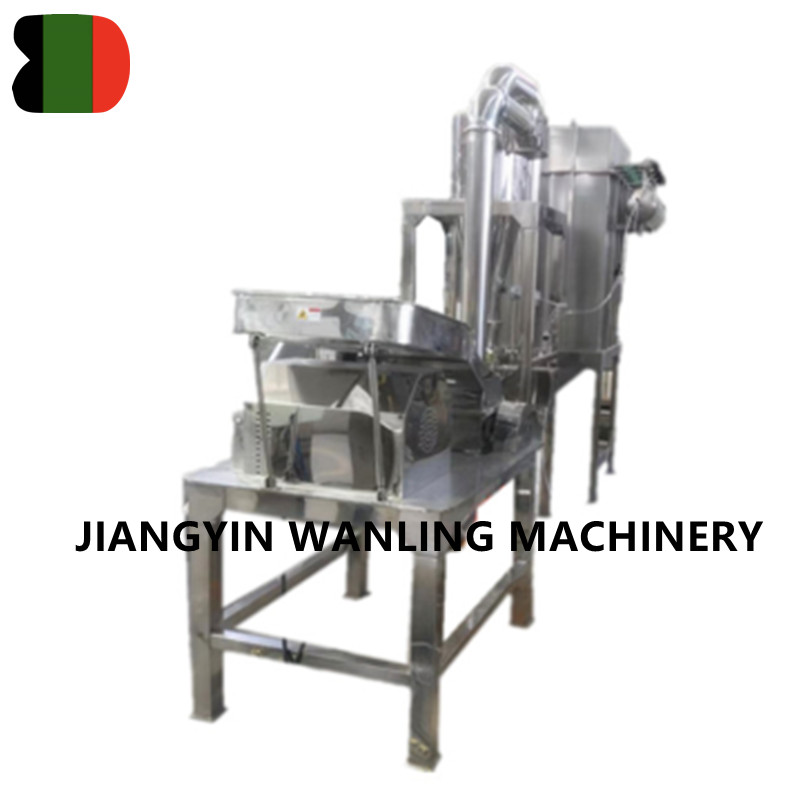
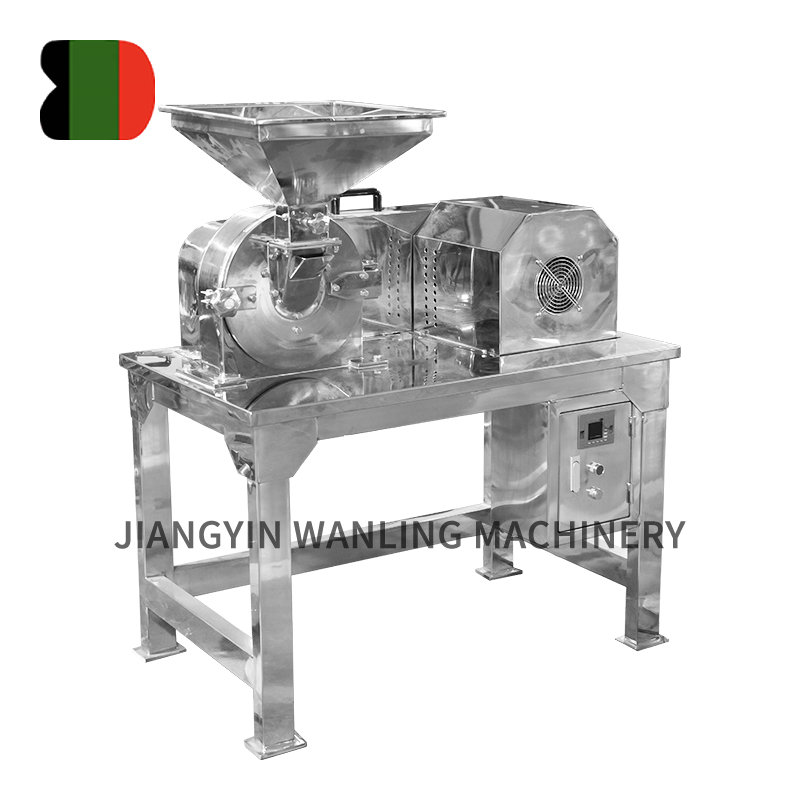
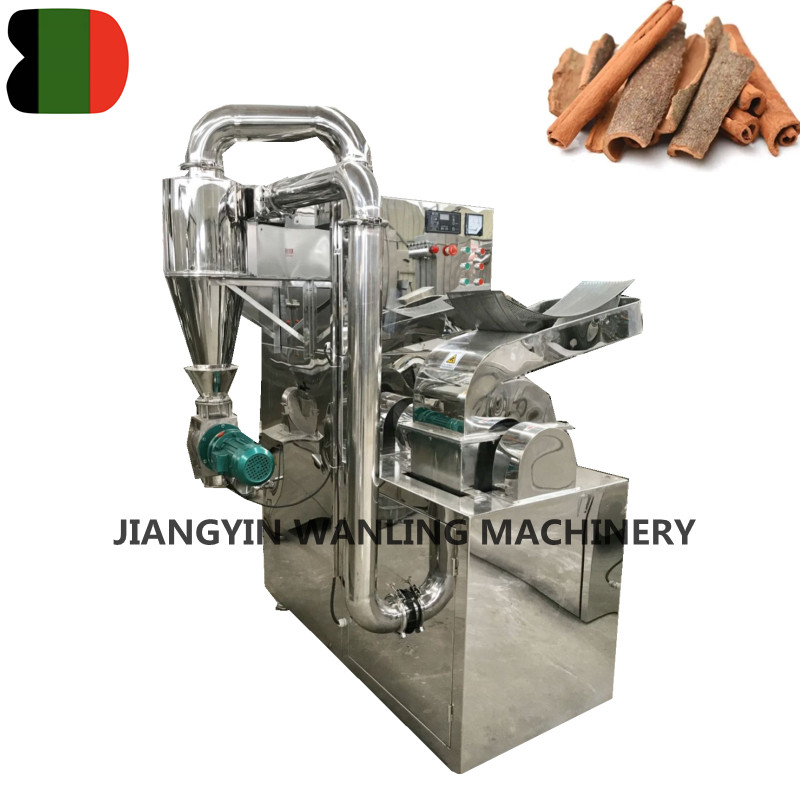
High-speed or industrial spice mills are designed for continuous operation in factories. They provide uniform particle size, high throughput, and durability. These machines are often equipped with cooling systems to prevent heat build-up, which can affect the flavor and aroma of delicate spices.
Material and Build Quality
The material used in spice grinding machines affects durability, hygiene, and maintenance. Food-grade stainless steel is preferred for most commercial and industrial machines because it is resistant to corrosion, easy to clean, and prevents contamination of spices.
- Stainless steel: Highly durable, hygienic, and suitable for wet and dry spices.
- Aluminum: Lightweight and cost-effective, mainly for home use, but may wear faster under heavy use.
- Plastic components: Found in small home grinders, suitable for dry spices but may affect durability and hygiene.
Grinding Capacity and Efficiency
Capacity refers to the amount of spice a machine can process within a specific time. Selecting a machine with the right capacity ensures efficiency and prevents overloading, which can damage the motor or reduce the lifespan of the equipment.
| Type | Typical Capacity | Recommended Use |
|---|---|---|
| Home Grinder | 50-200 grams per batch | Small kitchens, occasional spice grinding |
| Commercial Electric Grinder | 1-5 kg per hour | Restaurants, catering, small spice businesses |
| Industrial Spice Mill | 50-500 kg per hour | Large-scale spice production factories |
Adjustable Grind Size
The ability to adjust the grind size is crucial for different spice applications. Fine powders are ideal for seasoning blends, while coarser grinds may be preferred for pickling or infusions. Machines with adjustable settings allow versatility, saving time and avoiding the need for multiple grinders.
High-speed and industrial grinders often feature digital or mechanical controls for precise particle size management, ensuring consistent quality in large batches.
Ease of Cleaning and Maintenance
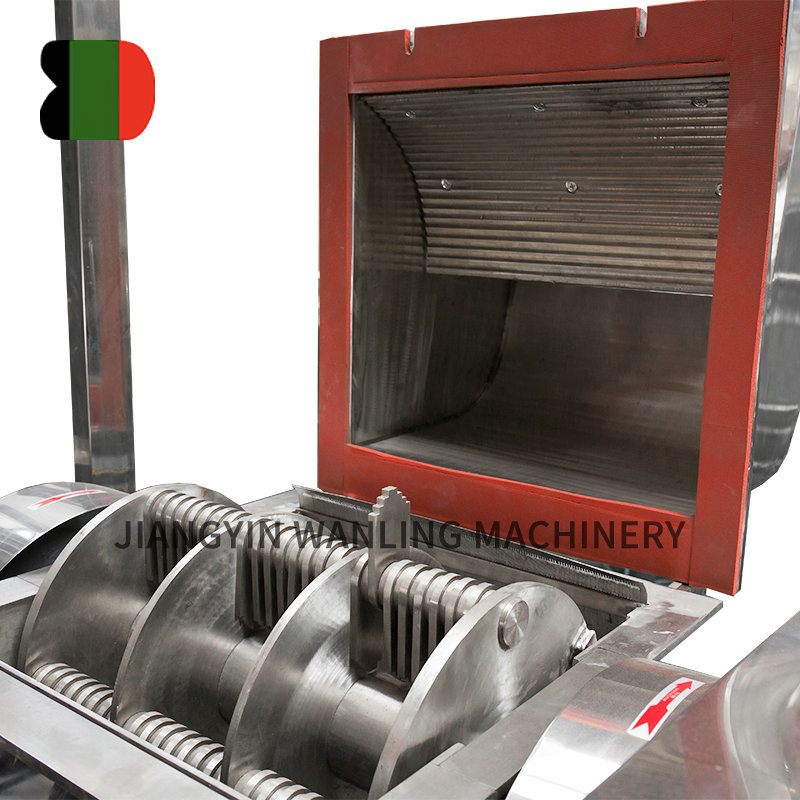
Spice grinding machines must be cleaned regularly to prevent cross-contamination, preserve flavor, and maintain hygiene standards. Machines with removable grinding chambers, smooth surfaces, and corrosion-resistant materials are easier to clean and maintain.
- Removable parts reduce downtime for cleaning.
- Stainless steel surfaces prevent spice residue buildup and corrosion.
- Lubrication-free designs or sealed bearings reduce maintenance requirements.
Power Source and Energy Efficiency
Electric grinders are available in various power ratings. Home grinders typically use 100-500 watts, while commercial machines can range from 1,000 watts to several kilowatts. Choosing a machine with adequate power ensures consistent grinding performance, especially for hard spices like cloves, cinnamon, or nutmeg.
Energy-efficient designs reduce electricity consumption and operating costs, which is particularly important in high-volume commercial or industrial settings.
Conclusion
Selecting the right grinding machine for spices requires careful consideration of type, material, capacity, grind size, maintenance, and power requirements. By understanding these factors, users can choose a machine that delivers consistent quality, efficiency, and longevity.
Whether for home use, commercial kitchens, or industrial spice production, investing in a high-quality grinding machine ensures that spices retain their aroma, flavor, and freshness while providing reliable, long-term performance.