

 Español
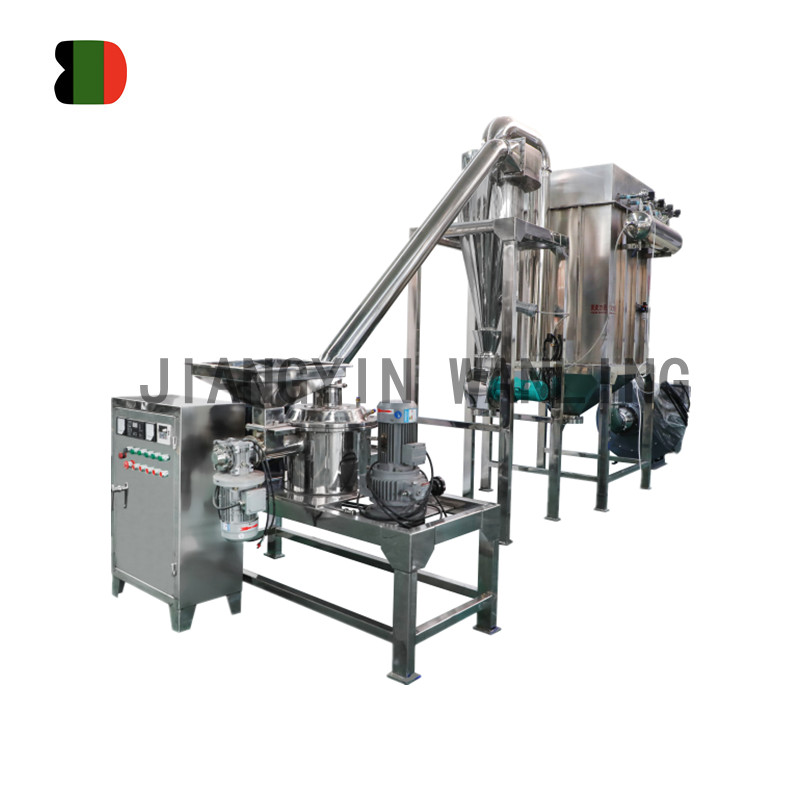
An air classifier mill combines mechanical grinding with pneumatic particle separation in a single unit, making it a widely used solution for producing fine, uniformly sized powders. Unlike standard grinding mills that rely solely on screens to control output size, an air classifier mill uses controlled airflow to separate particles by size and weight, allowing for tighter control over the final product. This article explains how the machine works internally and provides a practical guide for selecting the right model for a specific application.
Content
How an Air Classifier Mill Works
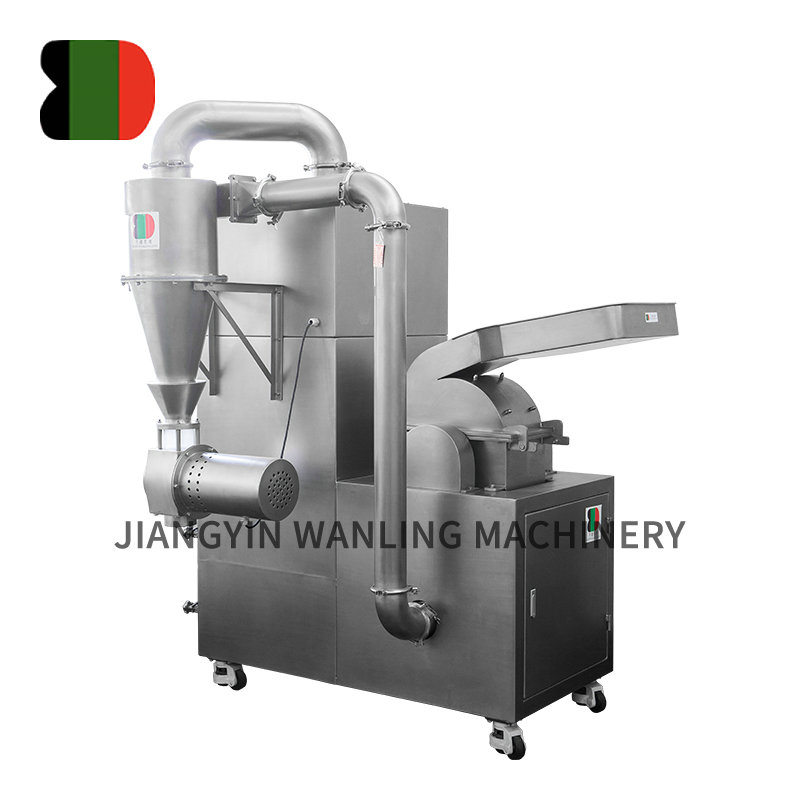
An air classifier mill operates through two coordinated stages: grinding and classification. Material enters the grinding chamber, where it is reduced in size by mechanical impact, and the resulting particles are then carried by an airstream into a classifying zone, where a rotating classifier wheel separates particles based on size. Only particles fine enough to meet the target specification pass through to the output, while oversized particles are redirected back into the grinding chamber for further size reduction.
The Grinding Stage
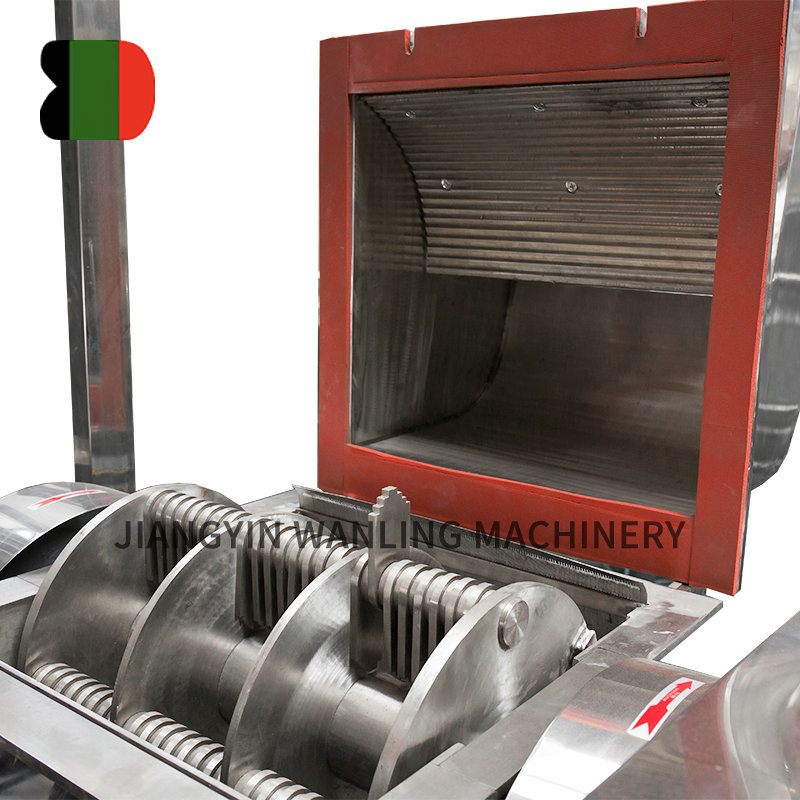
Inside the grinding chamber, a rotor fitted with hammers, blades, or pins strikes the incoming material at high speed, breaking it down through impact and attrition. The intensity of this stage is adjustable through rotor speed, allowing operators to fine-tune the initial particle breakdown before classification occurs.
The Classification Stage
After grinding, particles move into the classifier wheel zone, where centrifugal force and airflow work against each other. Fine particles are light enough to be pulled through the classifier wheel by the air stream and exit as finished product, while heavier, oversized particles are flung outward by centrifugal force and returned to the grinding chamber. This continuous feedback loop ensures that only correctly sized particles leave the system.
Controlling Particle Size
The classifier wheel speed is the primary control point for determining final particle size. Increasing wheel speed produces finer particles by making it harder for larger particles to pass through, while decreasing speed allows coarser particles to exit. This adjustability is one of the key advantages of air classifier mills over fixed-screen grinding systems, since it allows particle size to be changed without swapping physical components.
Common Applications for Air Classifier Mills
Air classifier mills are used across industries that require fine, consistent powder production, particularly where particle size directly affects product performance or quality.
- Food processing, including spices, sugar, and protein powders
- Pharmaceutical manufacturing, where precise particle size affects dosage and absorption
- Chemical production, including pigments, resins, and specialty powders
- Mineral processing, such as calcium carbonate and talc grinding
- Plastics and coatings, particularly for powder coating formulations
Key Factors to Evaluate Before Selecting a Mill
Choosing the right air classifier mill requires matching the machine's capabilities to the specific material being processed and the desired output specification. Several factors should be assessed before making a purchase decision.
Material Characteristics
The hardness, moisture content, and heat sensitivity of the material being processed all influence which mill configuration is appropriate. Heat-sensitive materials, such as certain pharmaceuticals or food ingredients, may require mills with cooling systems or lower rotor speeds to prevent degradation during processing.
Target Particle Size Range
Different mill models are designed to achieve different particle size ranges efficiently. Confirming that a mill can consistently reach the required fineness, rather than only approaching it under ideal conditions, prevents disappointing results after installation.
Throughput Requirements
Production volume needs should be matched against a mill's rated capacity at the target particle size, since capacity often decreases as required fineness increases. A mill rated for high throughput at a coarse setting may process significantly less material per hour when set to produce very fine powder.
| Selection Factor | Why It Matters |
| Material hardness | Determines rotor and liner wear rate |
| Heat sensitivity | Affects need for cooling systems |
| Target fineness | Defines required classifier wheel speed range |
| Required throughput | Influences motor size and chamber capacity |
| Explosion risk | Determines need for explosion-proof design |
Safety and Compliance Considerations
Many materials processed in air classifier mills, particularly organic powders and certain minerals, carry a risk of combustible dust generation. Facilities handling these materials should evaluate whether the mill requires explosion venting, inerting systems, or ATEX-compliant construction. Additionally, mills used in food or pharmaceutical production should meet relevant hygienic design standards, including easy-to-clean surfaces and materials that do not contaminate the product.
Maintenance Considerations That Affect Long-Term Performance
Regular maintenance directly affects both the consistency of particle size output and the operating lifespan of the mill. Rotor and liner wear should be inspected periodically, since worn components can cause inconsistent grinding and reduced classification accuracy. Classifier wheel blades should also be checked for buildup or wear, as even minor deposits can alter airflow patterns and shift the particle size distribution of the finished product. Establishing a maintenance schedule based on the abrasiveness of the material being processed helps prevent unexpected downtime and maintains product quality over time.
Making an Informed Selection
Selecting the right air classifier mill requires looking beyond headline specifications to understand how a machine will actually perform with a specific material at a specific target fineness and throughput. Evaluating material characteristics, safety requirements, and long-term maintenance needs alongside core performance specifications leads to a more reliable and cost-effective investment. A well-matched air classifier mill not only meets current production needs but also provides the flexibility to adjust particle size specifications as product requirements evolve.