

 Español
Content
- 1 What Is a Sugar Pin Mill Machine?
- 2 How the Pin Mill Mechanism Works in Sugar Processing
- 3 Key Advantages of Pin Mills Over Other Sugar Grinding Methods
- 4 Sugar Products Produced with Pin Mill Technology
- 5 Efficiency Features That Define Modern Sugar Pin Mill Machines
- 6 Integration of Pin Mills into Complete Sugar Production Lines
- 7 Selecting the Right Sugar Pin Mill Machine for Your Production Needs
- 8 What Is a Sugar Pin Mill Machine?
- 9 How the Pin Mill Mechanism Works in Sugar Processing
- 10 Key Advantages of Pin Mills Over Other Sugar Grinding Methods
- 11 Sugar Products Produced with Pin Mill Technology
- 12 Efficiency Features That Define Modern Sugar Pin Mill Machines
- 13 Integration of Pin Mills into Complete Sugar Production Lines
- 14 Selecting the Right Sugar Pin Mill Machine for Your Production Needs
What Is a Sugar Pin Mill Machine?
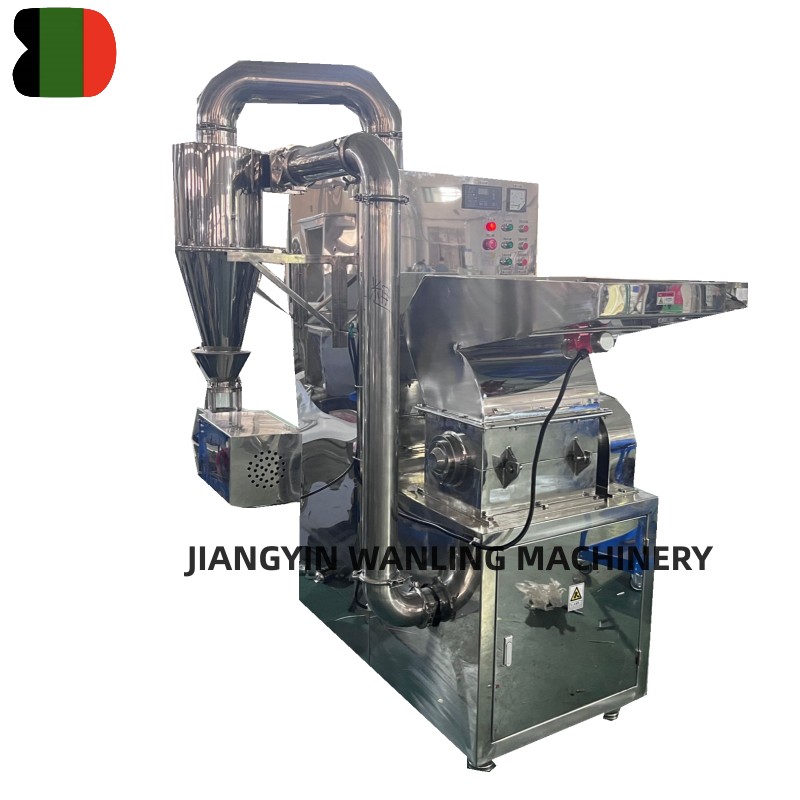
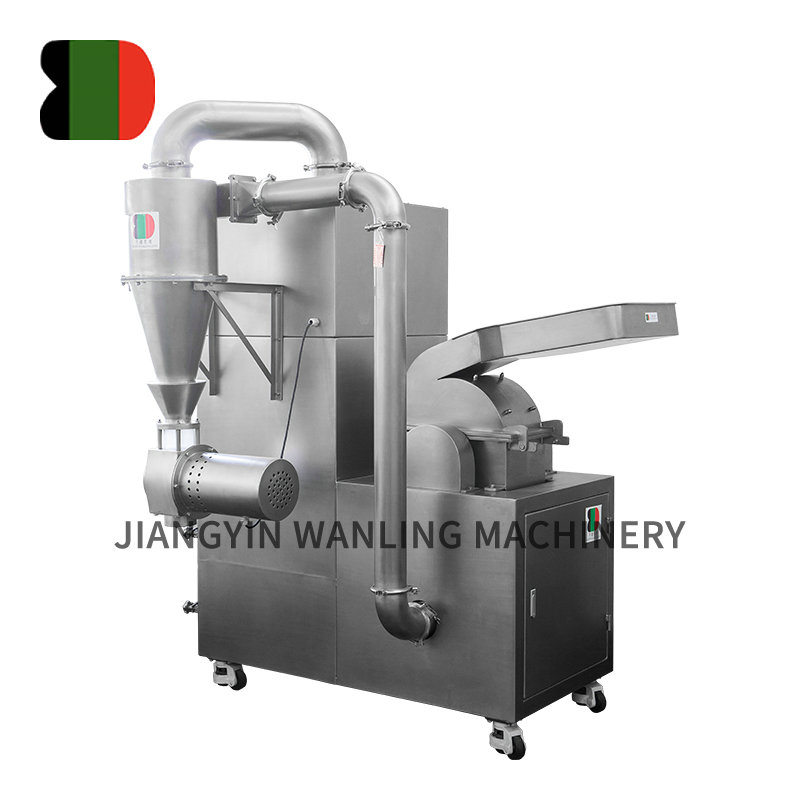
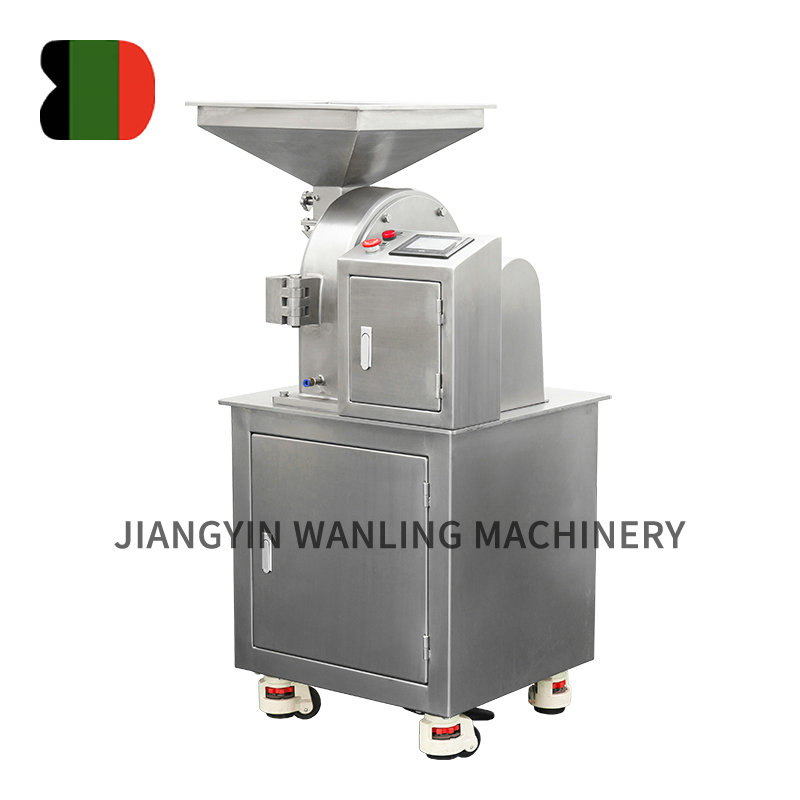
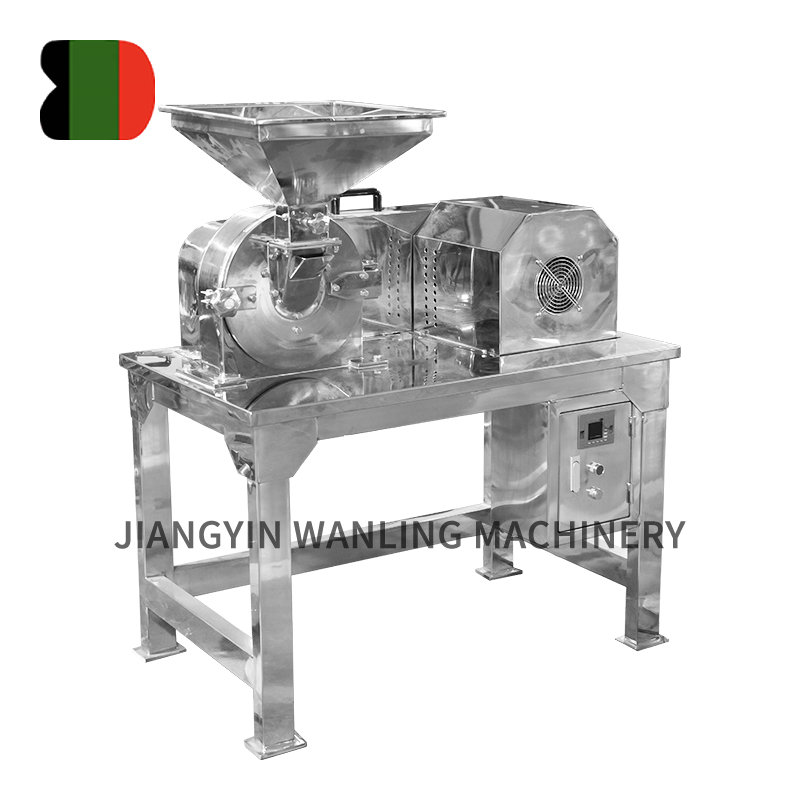
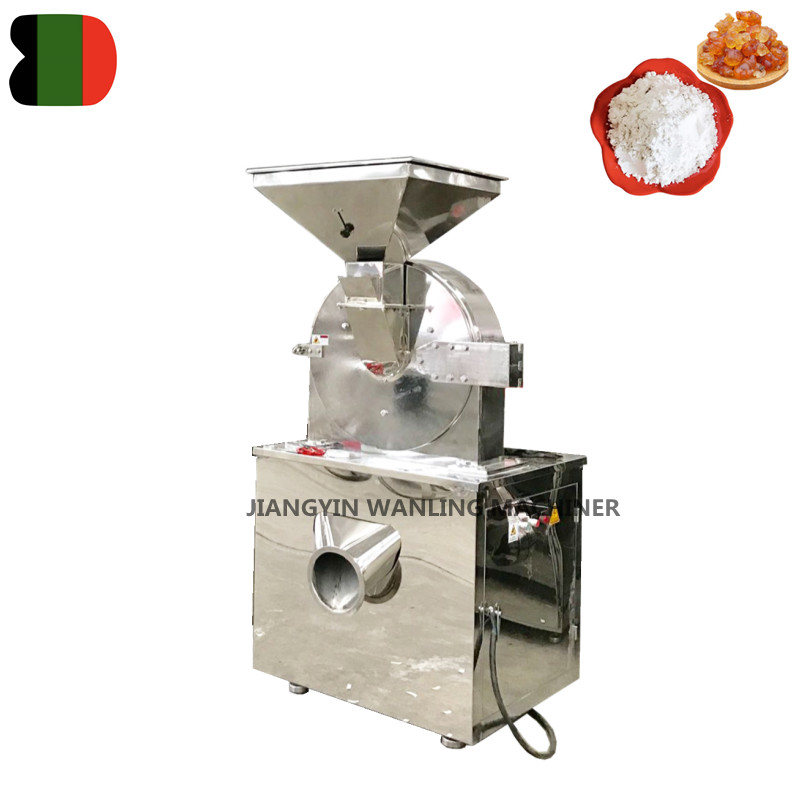
A sugar pin mill machine is a high-speed impact grinding system specifically designed to reduce granulated or raw sugar into fine, uniform powder within a single continuous processing pass. The machine derives its name from the rows of hardened steel pins — arranged in concentric circular patterns on two opposing discs — that form the core of its size reduction mechanism. When the discs rotate at high speed, sugar particles fed into the milling chamber are repeatedly struck by the pins, fracturing progressively smaller until they pass through a classification screen at the outlet and exit as finished powdered sugar of the target particle size distribution.
Unlike roller mills or hammer mills, which rely on compression or broad impact surfaces to reduce particle size, the pin mill uses a highly controlled, high-frequency impact mechanism that delivers energy precisely to the sugar particles with minimal heat generation. This distinction is critically important in sugar processing because sucrose is both hygroscopic and thermally sensitive — excessive heat during milling can cause caramelization, moisture absorption, and particle agglomeration, all of which degrade product quality. The pin mill's efficient impact mechanism addresses these challenges directly, making it the preferred milling technology across the confectionery, bakery, beverage, and industrial sugar sectors worldwide.
How the Pin Mill Mechanism Works in Sugar Processing
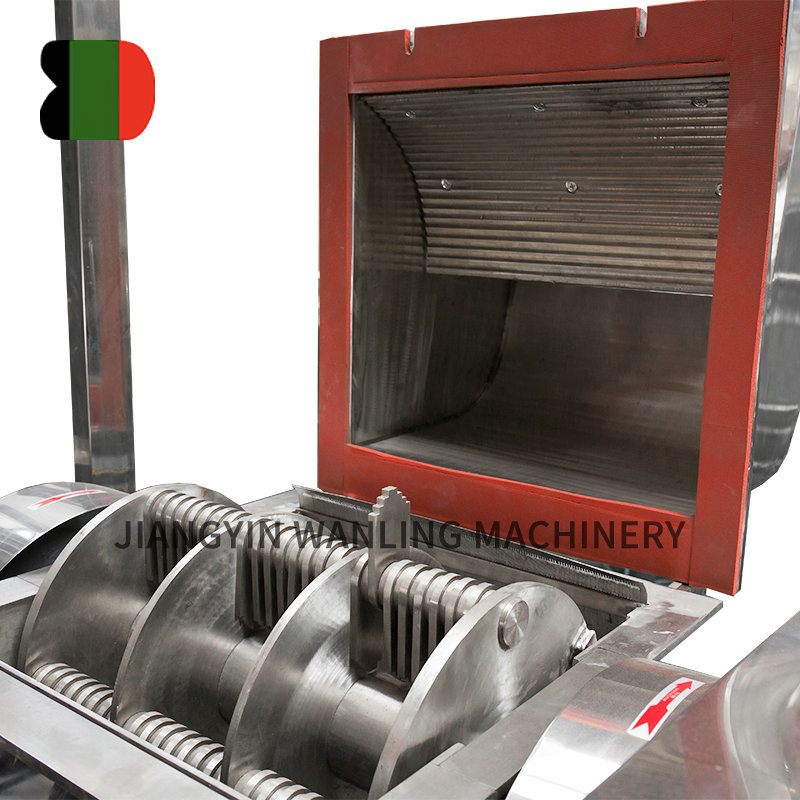
The operating principle of a sugar pin mill is mechanically straightforward but highly effective. The machine consists of two circular discs mounted on the same horizontal or vertical axis. One disc is fixed stationary while the other rotates at high speed — typically between 3,000 and 6,000 RPM depending on the model and the target output particle size. Each disc carries multiple concentric rings of cylindrical pins projecting outward from its face, and the pin rings of the rotating disc interleave with those of the stationary disc, creating a labyrinthine impact zone through which all material must pass.
Sugar is fed by a screw or vibratory feeder into the center of the rotating disc assembly. Centrifugal force generated by the spinning disc accelerates the sugar particles outward through the successive rings of interleaved pins. At each impact event, kinetic energy from the pin is transferred to the sugar crystal, fracturing it along its natural cleavage planes. By the time the material reaches the outermost ring of pins and exits through the peripheral screen, it has been subjected to dozens of individual impact events that collectively reduce it to the target particle fineness. The entire residence time of sugar within the milling chamber is measured in fractions of a second, which is a primary reason why heat buildup is so effectively controlled in pin mill operation.
Some pin mill configurations use counter-rotating discs — both discs spinning in opposite directions simultaneously — which doubles the relative velocity between the pins and the sugar particles. This arrangement produces finer particle sizes and higher throughput rates than single-rotating designs and is the preferred configuration for producing ultra-fine icing sugar and powdered sugar grades used in high-end confectionery applications.
Key Advantages of Pin Mills Over Other Sugar Grinding Methods
Sugar processors evaluating milling technology have several options available, including hammer mills, roller mills, air classifier mills, and ball mills. Each has its own strengths, but the pin mill offers a specific combination of advantages that makes it particularly well-suited to sugar powder production across a wide range of scales and specifications.
- Narrow Particle Size Distribution: The controlled, uniform impact mechanism of the pin mill produces powdered sugar with a tight particle size distribution — meaning a high proportion of particles fall within a narrow target size range with minimal oversized or undersized fractions. This consistency is essential in applications such as fondant production and icing coatings, where particle size uniformity directly controls texture, mouthfeel, and visual appearance.
- Minimal Heat Generation: The short dwell time and efficient energy transfer of the pin mill mechanism result in very low temperature rise in the milled product — typically less than 5°C above ambient in well-designed systems with adequate cooling air flow. This protects the sucrose molecule from thermal degradation and prevents the moisture uptake that leads to caking in the finished product.
- High Throughput Capacity: Industrial sugar pin mills are capable of processing several tonnes of sugar per hour in continuous operation, making them practical for large-scale production environments where consistent output volume is a commercial necessity. Modular multi-mill configurations allow capacity to be scaled further by operating multiple units in parallel on a shared feed and discharge system.
- Rapid Product Changeover: The pin mill's simple internal geometry — two disc assemblies and a peripheral screen — means that cleaning and changeover between different sugar grades or particle size specifications can be completed quickly. Quick-release disc assemblies and hinged mill housings on modern machines allow full access to the milling chamber for inspection and cleaning within minutes, reducing unproductive changeover time in multi-product facilities.
- Low Maintenance Requirements: With no grinding media, no rollers, and no complex mechanical transmission systems within the milling chamber, the pin mill has relatively few wear components. The pins themselves are the primary wear element and are typically manufactured from hardened tool steel or, in high-abrasion applications, from tungsten carbide-tipped material to extend service intervals.
- Dry Processing Compatibility: Pin mills operate as dry grinding systems, which is ideal for sugar processing since it avoids the introduction of moisture that would immediately begin dissolving the product. Dry milling also simplifies downstream handling, packaging, and storage compared to wet grinding processes used in some other industries.
Sugar Products Produced with Pin Mill Technology
The flexibility of the pin mill across a range of output particle sizes makes it the production equipment of choice for multiple grades of processed sugar. Understanding which sugar products are produced using pin mill technology illustrates the breadth of its contribution to the food industry supply chain.
| Sugar Product | Typical Particle Size | Primary Application |
| Caster Sugar | 200–400 µm | Baking, meringues, cocktail rimming |
| Icing Sugar (10X) | 50–100 µm | Frostings, confectionery coatings, dusting |
| Ultra-Fine Powder Sugar | 10–50 µm | Fondant, chocolate, pharmaceutical excipients |
| Candy Powder | 100–250 µm | Hard candy coatings, flavored sugar blends |
| Industrial Process Sugar | Variable per spec | Fermentation feedstocks, chemical derivatives |
Particle size control across these grades is achieved by adjusting the rotational speed of the milling disc, the pin gap spacing, the peripheral screen aperture size, and the feed rate. In sophisticated installations, these parameters are managed by a PLC control system that allows operators to recall stored recipes for each sugar grade and reproduce the target particle size distribution with minimal variation batch to batch.
Efficiency Features That Define Modern Sugar Pin Mill Machines
The evolution of pin mill design over recent decades has introduced a range of engineering features that directly improve processing efficiency, product quality, and operational economy in sugar production facilities.
Integrated Air Classification Systems
Many modern sugar pin mills incorporate an internal or external air classification stage that separates fine particles from coarser ones immediately after milling. Oversized particles are returned to the milling chamber for re-processing, while correctly sized particles are conveyed to the discharge system. This closed-loop classification ensures that only on-specification product exits the machine, eliminating the need for a separate screening stage downstream and improving yield by ensuring all input sugar is processed to the target fineness before packaging.
Cooling Jacket and Conditioned Air Supply
To address the hygroscopic sensitivity of sugar powder, advanced pin mill designs incorporate a water-cooled jacket around the milling chamber and supply pre-conditioned, dehumidified air as the transport and cooling medium within the system. Maintaining the milling air at a controlled low humidity — typically below 40% relative humidity — prevents the freshly milled sugar surfaces from absorbing atmospheric moisture, which is the primary cause of caking and lump formation in powdered sugar during production and storage. Facilities in humid climates or operating during summer months benefit most significantly from this feature.
Explosion-Proof Design and ATEX Compliance
Finely divided sugar powder suspended in air forms an explosive dust cloud that can be ignited by static discharge or mechanical sparks. Modern sugar pin mills are designed to ATEX (Atmosphères Explosibles) standards, incorporating grounded stainless steel construction, anti-static seals, spark detection systems, and explosion relief venting to manage this hazard. These safety features are not optional enhancements — they are regulatory requirements in most jurisdictions and are essential for the safe operation of any dry sugar milling facility.
Variable Frequency Drive Motor Control
Fitting the pin mill drive motor with a variable frequency drive (VFD) allows the disc rotational speed to be adjusted continuously rather than operating at a fixed speed. This flexibility enables operators to fine-tune the energy input to the milling process in response to variations in input sugar crystal size, moisture content, or target output fineness without changing mechanical components. VFD control also allows soft-start operation that reduces mechanical stress on the disc assembly and bearings during startup, extending the service life of these components.
Integration of Pin Mills into Complete Sugar Production Lines
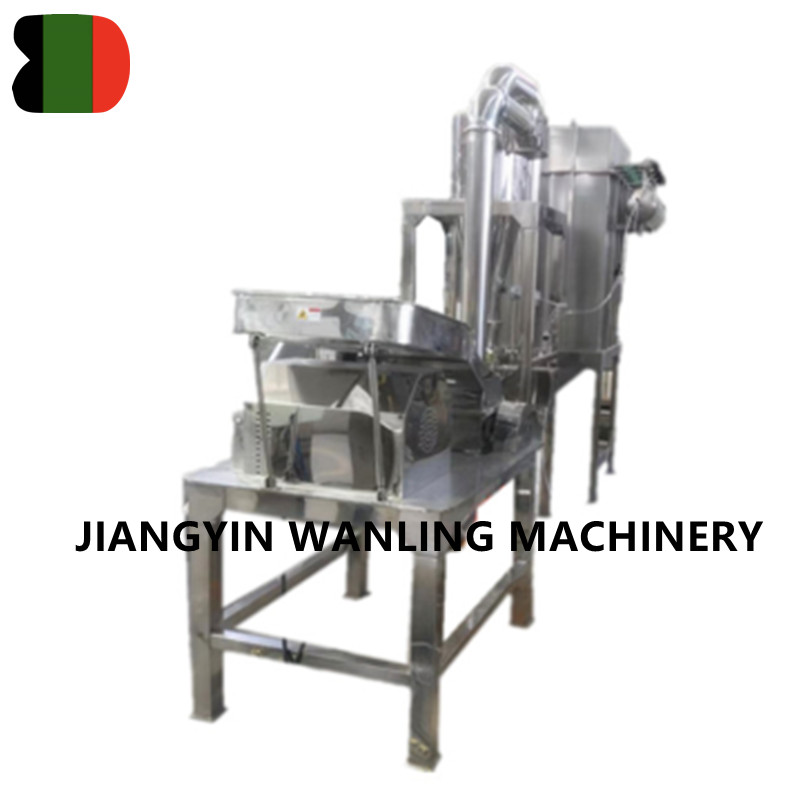
The sugar pin mill does not operate in isolation — it is one stage within a complete sugar powder production system that must be designed as an integrated whole to achieve optimal efficiency, product quality, and food safety compliance. A well-engineered sugar milling line typically comprises the following sequential stages:
- Bulk Sugar Intake and Pre-Screening: Raw granulated sugar arriving from silos or bulk bags passes through a vibrating screen that removes oversized lumps, foreign material, and packaging debris before entering the milling system. Pre-screening protects the pin mill from damage caused by hard contaminants and ensures a consistent feed size that the mill can process efficiently.
- Controlled Feed System: A screw conveyor or loss-in-weight feeder delivers sugar to the pin mill at a precisely controlled, consistent rate. Overfeeding the mill reduces residence time per particle and produces a coarser, less uniform output; underfeeding wastes energy and reduces throughput. Accurate feed rate control is therefore essential for both product quality and economic efficiency.
- Pin Mill Grinding Stage: The core processing step where particle size reduction occurs as described in the preceding sections. PLC-managed process parameters ensure consistent output quality across the entire production run.
- Cyclone Separator and Bag Filter: Milled sugar entrained in the transport air stream passes through a cyclone separator that recovers the bulk of the product by centrifugal action, followed by a bag filter that captures fine dust particles that escape the cyclone. Both recovery stages return product to the main discharge stream, maximizing yield and preventing sugar-laden air from being vented to the atmosphere.
- Anti-Caking Agent Dosing: Many powdered sugar grades intended for retail or food service use are blended with a small quantity of anti-caking agent — typically 1–3% tricalcium phosphate or cornstarch — to improve flowability and shelf stability. This dosing is performed immediately downstream of the milling stage, either by in-line powder blending or by introduction through the cyclone separator inlet.
- Finished Product Packaging: Powdered sugar discharged from the recovery system is conveyed to automatic packaging machines for filling into retail bags, food-service containers, or bulk intermediate bulk containers (IBCs) for industrial customers. Maintaining a closed, enclosed transfer system from mill discharge to package seal is essential to prevent moisture uptake and contamination of the finished product.
Selecting the Right Sugar Pin Mill Machine for Your Production Needs
Choosing the appropriate pin mill specification for a sugar processing application requires careful evaluation of several interdependent factors. Decisions made at the equipment selection stage have long-term implications for product quality, operating cost, and the flexibility of the production facility to respond to changing market demands.
The required throughput capacity in tonnes per hour is the primary sizing parameter and determines the disc diameter, motor power, and number of milling units required. Target particle size and the tightness of the required size distribution determine whether a standard single-rotation pin mill or a higher-energy counter-rotation configuration is appropriate. The range of sugar grades to be produced on the same machine influences the importance of rapid changeover capability and the value of VFD-controlled speed adjustment. Food safety and regulatory requirements — including ATEX certification, hygienic design standards such as EHEDG, and material contact specifications — must be verified against the machine's construction specification before purchase.
Working with an experienced equipment supplier who can provide pilot-scale milling trials using the customer's actual sugar feedstock is strongly recommended before committing to a full-scale installation. Trial milling data provides direct evidence of achievable particle size distribution, throughput rate, and energy consumption under real conditions, eliminating the uncertainty that arises from relying solely on theoretical performance estimates. This diligence at the selection stage is the most reliable investment a sugar producer can make in ensuring that their pin mill delivers efficient, consistent, and profitable sugar production from the first day of operation.
What Is a Sugar Pin Mill Machine?
A sugar pin mill machine is a high-speed impact grinding system specifically designed to reduce granulated or raw sugar into fine, uniform powder within a single continuous processing pass. The machine derives its name from the rows of hardened steel pins — arranged in concentric circular patterns on two opposing discs — that form the core of its size reduction mechanism. When the discs rotate at high speed, sugar particles fed into the milling chamber are repeatedly struck by the pins, fracturing progressively smaller until they pass through a classification screen at the outlet and exit as finished powdered sugar of the target particle size distribution.
Unlike roller mills or hammer mills, which rely on compression or broad impact surfaces to reduce particle size, the pin mill uses a highly controlled, high-frequency impact mechanism that delivers energy precisely to the sugar particles with minimal heat generation. This distinction is critically important in sugar processing because sucrose is both hygroscopic and thermally sensitive — excessive heat during milling can cause caramelization, moisture absorption, and particle agglomeration, all of which degrade product quality. The pin mill's efficient impact mechanism addresses these challenges directly, making it the preferred milling technology across the confectionery, bakery, beverage, and industrial sugar sectors worldwide.
How the Pin Mill Mechanism Works in Sugar Processing
The operating principle of a sugar pin mill is mechanically straightforward but highly effective. The machine consists of two circular discs mounted on the same horizontal or vertical axis. One disc is fixed stationary while the other rotates at high speed — typically between 3,000 and 6,000 RPM depending on the model and the target output particle size. Each disc carries multiple concentric rings of cylindrical pins projecting outward from its face, and the pin rings of the rotating disc interleave with those of the stationary disc, creating a labyrinthine impact zone through which all material must pass.
Sugar is fed by a screw or vibratory feeder into the center of the rotating disc assembly. Centrifugal force generated by the spinning disc accelerates the sugar particles outward through the successive rings of interleaved pins. At each impact event, kinetic energy from the pin is transferred to the sugar crystal, fracturing it along its natural cleavage planes. By the time the material reaches the outermost ring of pins and exits through the peripheral screen, it has been subjected to dozens of individual impact events that collectively reduce it to the target particle fineness. The entire residence time of sugar within the milling chamber is measured in fractions of a second, which is a primary reason why heat buildup is so effectively controlled in pin mill operation.
Some pin mill configurations use counter-rotating discs — both discs spinning in opposite directions simultaneously — which doubles the relative velocity between the pins and the sugar particles. This arrangement produces finer particle sizes and higher throughput rates than single-rotating designs and is the preferred configuration for producing ultra-fine icing sugar and powdered sugar grades used in high-end confectionery applications.
Key Advantages of Pin Mills Over Other Sugar Grinding Methods
Sugar processors evaluating milling technology have several options available, including hammer mills, roller mills, air classifier mills, and ball mills. Each has its own strengths, but the pin mill offers a specific combination of advantages that makes it particularly well-suited to sugar powder production across a wide range of scales and specifications.
- Narrow Particle Size Distribution: The controlled, uniform impact mechanism of the pin mill produces powdered sugar with a tight particle size distribution — meaning a high proportion of particles fall within a narrow target size range with minimal oversized or undersized fractions. This consistency is essential in applications such as fondant production and icing coatings, where particle size uniformity directly controls texture, mouthfeel, and visual appearance.
- Minimal Heat Generation: The short dwell time and efficient energy transfer of the pin mill mechanism result in very low temperature rise in the milled product — typically less than 5°C above ambient in well-designed systems with adequate cooling air flow. This protects the sucrose molecule from thermal degradation and prevents the moisture uptake that leads to caking in the finished product.
- High Throughput Capacity: Industrial sugar pin mills are capable of processing several tonnes of sugar per hour in continuous operation, making them practical for large-scale production environments where consistent output volume is a commercial necessity. Modular multi-mill configurations allow capacity to be scaled further by operating multiple units in parallel on a shared feed and discharge system.
- Rapid Product Changeover: The pin mill's simple internal geometry — two disc assemblies and a peripheral screen — means that cleaning and changeover between different sugar grades or particle size specifications can be completed quickly. Quick-release disc assemblies and hinged mill housings on modern machines allow full access to the milling chamber for inspection and cleaning within minutes, reducing unproductive changeover time in multi-product facilities.
- Low Maintenance Requirements: With no grinding media, no rollers, and no complex mechanical transmission systems within the milling chamber, the pin mill has relatively few wear components. The pins themselves are the primary wear element and are typically manufactured from hardened tool steel or, in high-abrasion applications, from tungsten carbide-tipped material to extend service intervals.
- Dry Processing Compatibility: Pin mills operate as dry grinding systems, which is ideal for sugar processing since it avoids the introduction of moisture that would immediately begin dissolving the product. Dry milling also simplifies downstream handling, packaging, and storage compared to wet grinding processes used in some other industries.
Sugar Products Produced with Pin Mill Technology
The flexibility of the pin mill across a range of output particle sizes makes it the production equipment of choice for multiple grades of processed sugar. Understanding which sugar products are produced using pin mill technology illustrates the breadth of its contribution to the food industry supply chain.
| Sugar Product | Typical Particle Size | Primary Application |
| Caster Sugar | 200–400 µm | Baking, meringues, cocktail rimming |
| Icing Sugar (10X) | 50–100 µm | Frostings, confectionery coatings, dusting |
| Ultra-Fine Powder Sugar | 10–50 µm | Fondant, chocolate, pharmaceutical excipients |
| Candy Powder | 100–250 µm | Hard candy coatings, flavored sugar blends |
| Industrial Process Sugar | Variable per spec | Fermentation feedstocks, chemical derivatives |
Particle size control across these grades is achieved by adjusting the rotational speed of the milling disc, the pin gap spacing, the peripheral screen aperture size, and the feed rate. In sophisticated installations, these parameters are managed by a PLC control system that allows operators to recall stored recipes for each sugar grade and reproduce the target particle size distribution with minimal variation batch to batch.
Efficiency Features That Define Modern Sugar Pin Mill Machines
The evolution of pin mill design over recent decades has introduced a range of engineering features that directly improve processing efficiency, product quality, and operational economy in sugar production facilities.
Integrated Air Classification Systems
Many modern sugar pin mills incorporate an internal or external air classification stage that separates fine particles from coarser ones immediately after milling. Oversized particles are returned to the milling chamber for re-processing, while correctly sized particles are conveyed to the discharge system. This closed-loop classification ensures that only on-specification product exits the machine, eliminating the need for a separate screening stage downstream and improving yield by ensuring all input sugar is processed to the target fineness before packaging.
Cooling Jacket and Conditioned Air Supply
To address the hygroscopic sensitivity of sugar powder, advanced pin mill designs incorporate a water-cooled jacket around the milling chamber and supply pre-conditioned, dehumidified air as the transport and cooling medium within the system. Maintaining the milling air at a controlled low humidity — typically below 40% relative humidity — prevents the freshly milled sugar surfaces from absorbing atmospheric moisture, which is the primary cause of caking and lump formation in powdered sugar during production and storage. Facilities in humid climates or operating during summer months benefit most significantly from this feature.
Explosion-Proof Design and ATEX Compliance
Finely divided sugar powder suspended in air forms an explosive dust cloud that can be ignited by static discharge or mechanical sparks. Modern sugar pin mills are designed to ATEX (Atmosphères Explosibles) standards, incorporating grounded stainless steel construction, anti-static seals, spark detection systems, and explosion relief venting to manage this hazard. These safety features are not optional enhancements — they are regulatory requirements in most jurisdictions and are essential for the safe operation of any dry sugar milling facility.
Variable Frequency Drive Motor Control
Fitting the pin mill drive motor with a variable frequency drive (VFD) allows the disc rotational speed to be adjusted continuously rather than operating at a fixed speed. This flexibility enables operators to fine-tune the energy input to the milling process in response to variations in input sugar crystal size, moisture content, or target output fineness without changing mechanical components. VFD control also allows soft-start operation that reduces mechanical stress on the disc assembly and bearings during startup, extending the service life of these components.
Integration of Pin Mills into Complete Sugar Production Lines
The sugar pin mill does not operate in isolation — it is one stage within a complete sugar powder production system that must be designed as an integrated whole to achieve optimal efficiency, product quality, and food safety compliance. A well-engineered sugar milling line typically comprises the following sequential stages:
- Bulk Sugar Intake and Pre-Screening: Raw granulated sugar arriving from silos or bulk bags passes through a vibrating screen that removes oversized lumps, foreign material, and packaging debris before entering the milling system. Pre-screening protects the pin mill from damage caused by hard contaminants and ensures a consistent feed size that the mill can process efficiently.
- Controlled Feed System: A screw conveyor or loss-in-weight feeder delivers sugar to the pin mill at a precisely controlled, consistent rate. Overfeeding the mill reduces residence time per particle and produces a coarser, less uniform output; underfeeding wastes energy and reduces throughput. Accurate feed rate control is therefore essential for both product quality and economic efficiency.
- Pin Mill Grinding Stage: The core processing step where particle size reduction occurs as described in the preceding sections. PLC-managed process parameters ensure consistent output quality across the entire production run.
- Cyclone Separator and Bag Filter: Milled sugar entrained in the transport air stream passes through a cyclone separator that recovers the bulk of the product by centrifugal action, followed by a bag filter that captures fine dust particles that escape the cyclone. Both recovery stages return product to the main discharge stream, maximizing yield and preventing sugar-laden air from being vented to the atmosphere.
- Anti-Caking Agent Dosing: Many powdered sugar grades intended for retail or food service use are blended with a small quantity of anti-caking agent — typically 1–3% tricalcium phosphate or cornstarch — to improve flowability and shelf stability. This dosing is performed immediately downstream of the milling stage, either by in-line powder blending or by introduction through the cyclone separator inlet.
- Finished Product Packaging: Powdered sugar discharged from the recovery system is conveyed to automatic packaging machines for filling into retail bags, food-service containers, or bulk intermediate bulk containers (IBCs) for industrial customers. Maintaining a closed, enclosed transfer system from mill discharge to package seal is essential to prevent moisture uptake and contamination of the finished product.
Selecting the Right Sugar Pin Mill Machine for Your Production Needs
Choosing the appropriate pin mill specification for a sugar processing application requires careful evaluation of several interdependent factors. Decisions made at the equipment selection stage have long-term implications for product quality, operating cost, and the flexibility of the production facility to respond to changing market demands.
The required throughput capacity in tonnes per hour is the primary sizing parameter and determines the disc diameter, motor power, and number of milling units required. Target particle size and the tightness of the required size distribution determine whether a standard single-rotation pin mill or a higher-energy counter-rotation configuration is appropriate. The range of sugar grades to be produced on the same machine influences the importance of rapid changeover capability and the value of VFD-controlled speed adjustment. Food safety and regulatory requirements — including ATEX certification, hygienic design standards such as EHEDG, and material contact specifications — must be verified against the machine's construction specification before purchase.
Working with an experienced equipment supplier who can provide pilot-scale milling trials using the customer's actual sugar feedstock is strongly recommended before committing to a full-scale installation. Trial milling data provides direct evidence of achievable particle size distribution, throughput rate, and energy consumption under real conditions, eliminating the uncertainty that arises from relying solely on theoretical performance estimates. This diligence at the selection stage is the most reliable investment a sugar producer can make in ensuring that their pin mill delivers efficient, consistent, and profitable sugar production from the first day of operation.